- This topic is empty.
-
AuthorPosts
-
06/04/2026 at 20:00 #7668
I’ve been thinking about how technology changes everyday shopping – not just phones or apps, but physical machines in public spaces.
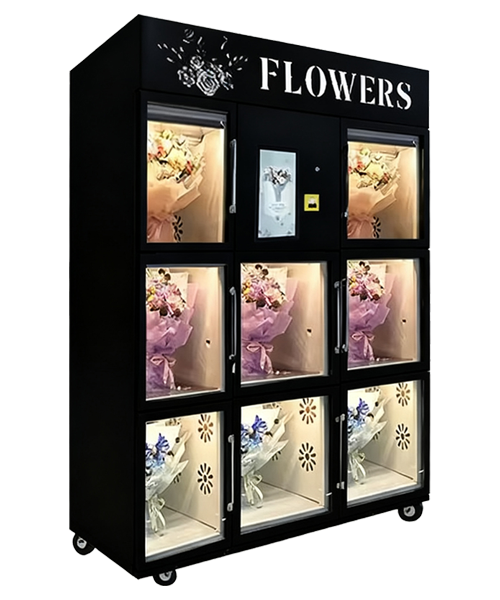
One example that caught my attention recently: fresh flower vending machines.
At first, it sounds like a novelty. But when you actually map out the problems of traditional flower retail, it starts to feel… logical.
So I want to share my thinking here, not as a sales pitch, but as a genuine question for this community:
Is this a real market shift, or just a trend that looks smarter than it is?
The problem nobody solves well
Traditional flower shops have clear limits:
-
High rent + labor costs
-
Fixed operating hours
-
No presence in high-traffic public spaces (subways, hospitals, office lobbies, late-night venues)
-
Perishable inventory → massive waste
And here’s the key insight: impulse buying doesn’t follow 9-to-5 schedules.
Someone leaving a concert at 11 PM, or a late-night commuter passing through a transit hub – they might buy flowers in the moment. But there’s no shop open, no convenient option.
That gap is what flower vending machines theoretically fill.
What actually makes it work (technically speaking)
From what I’ve seen in the smart retail space, a flower vending machine is much harder than a snack or drink machine.
Three core requirements:
1. Climate control
Flowers need stable temperature and humidity. Without it, inventory dies in hours.
2. Remote monitoring
If a snack machine goes offline for 4 hours – fine.
If a flower machine goes offline for 4 hours – everything spoils.So real-time machine status tracking isn’t optional. It’s survival.
3. Cashless + intelligent backend
Modern consumers don’t carry cash. And operators need real-time inventory data to avoid both stockouts and waste.
One example is VendingOS (an AI-powered backend system that connects machines, phones, tablets, and computers). It’s probably the first of its kind in this niche.
But again – the question isn’t can it be built. The question is should it be deployed at scale.
Where the real opportunity might be
Three trends seem to converge here:
-
Experiential retail – people want small, pleasant purchases, not just necessities
-
Cashless adoption – removes the last barrier to unattended retail
-
Urban micro-commerce – high-density cities need hyper-local, 24/7 access
Best locations I’ve seen or heard of:
-
Subway stations
-
Hospital lobbies
-
Corporate office buildings
-
Residential communities
-
Concert / event venues
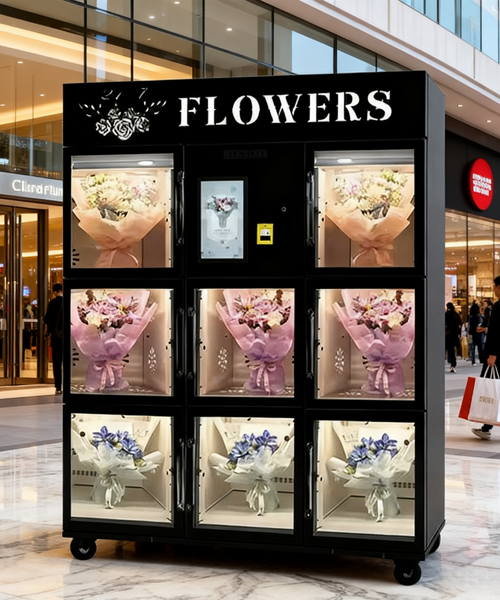
You can’t put a flower shop there. But a vending machine? Possibly.
Challenges people underestimate
-
Product differentiation – once multiple machines appear, how do you stand out?
-
Seasonal demand – Valentine’s week vs. a random Tuesday require completely different inventory logic
-
Forecasting – too little stock = lost sales, too much = waste
These aren’t trivial. In fact, they might determine whether this category survives or dies.
A quick reality check (real-world data)
I work with a company called IMT Vending – we build smart retail vending machines (including flower machines). We’ve deployed across:
-
Europe
-
North America
-
Asia
-
Africa
-
Latin America
(over 100 countries)
So I’m not speaking purely from theory. But I’m also not here to sell.
What I genuinely want to know from this community:
If you were designing a fresh flower vending machine from scratch – what would you prioritize differently?
And more importantly – is this solving a real human need, or just creating a solution in search of a problem?
Open questions for discussion
-
Would you personally buy flowers from a vending machine? Why or why not?
-
What’s the biggest hidden cost in this model – spoilage, location rent, or payment friction?
-
Does automation ruin the “emotional value” of buying flowers?
I’ll reply to every thoughtful comment. Happy to share failure stories too – not just the polished version.
– A curious builder in the automated retail space
https://www.imtvending.com
Guangzhou IMT Technology Co., Ltd. -
-
AuthorPosts

- You must be logged in to reply to this topic.