Home › Forums › Mechanical Equipment & Tool Parts › Exploring the Benefits of Vacuum Drying for Sensitive Materials
- This topic is empty.
-
AuthorPosts
-
30/03/2026 at 15:40 #7640
In modern industrial manufacturing, sensitive materials such as high-voltage motor windings, transformer components, and specialty electrical insulation demand precise and reliable drying methods. Traditional drying methods, such as air-drying or oven drying, can be inefficient, time-consuming, or even harmful to these materials. This is where vacuum drying emerges as a game-changer, offering enhanced efficiency, energy savings, and superior product quality. In this article, we will explore the benefits of vacuum drying and how advanced equipment from companies like Jiangsu Xianglong Electromechanical Co., Ltd. supports industries in achieving higher productivity and reliability.
What is Vacuum Drying?
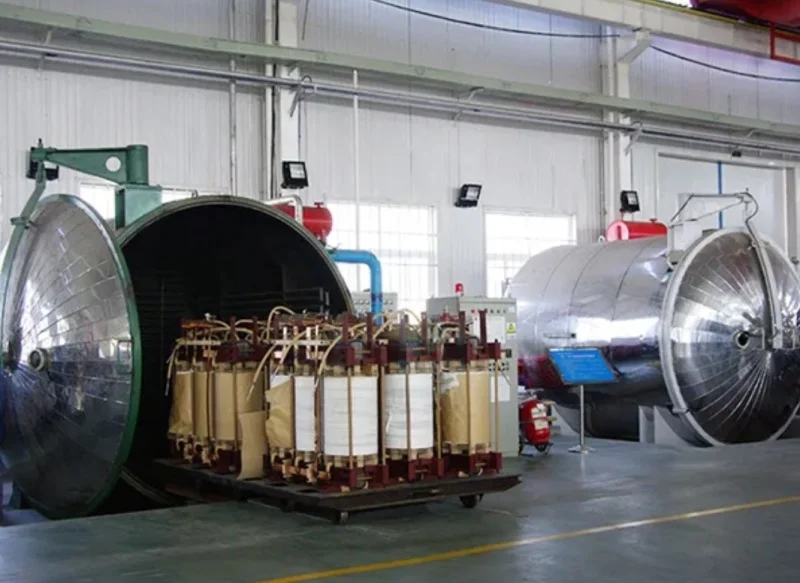
Vacuum drying is a process in which moisture is removed from materials under reduced pressure. By lowering the atmospheric pressure inside a vacuum chamber, the boiling point of water and other solvents is significantly reduced. This allows drying to occur at lower temperatures, which is especially crucial for heat-sensitive materials. Unlike conventional drying methods, vacuum drying minimizes the risk of thermal degradation, oxidation, and surface damage.
The process is widely applied in industries such as electronics, energy, pharmaceuticals, and advanced manufacturing. Vacuum drying can handle powders, films, coatings, insulation materials, and delicate components, ensuring that product integrity is maintained throughout the drying cycle.
Advantages of Vacuum Drying for Sensitive Materials
1. Preservation of Material Integrity
Sensitive materials, such as motor windings, transformer coils, or specialty insulation, often degrade when exposed to high temperatures. Vacuum drying allows these materials to dry at lower temperatures while maintaining their structural and chemical properties. By minimizing thermal stress, manufacturers can avoid micro-cracks, warping, or brittleness that could compromise product performance.
2. Faster Drying Times
Traditional drying methods rely on heat transfer and airflow, which can be slow and uneven. Vacuum drying accelerates moisture removal by reducing the boiling point of water and solvents, allowing faster evaporation even at moderate temperatures. This efficiency not only shortens production cycles but also increases throughput in industrial settings.
3. Energy Efficiency
Operating under a vacuum significantly reduces the energy required to achieve drying. Lower temperatures and reduced pressure mean less heat input is needed, translating into reduced energy consumption. Companies adopting vacuum drying equipment can achieve substantial savings while reducing their carbon footprint.
4. Improved Product Quality
Uniform drying is critical for products such as high-voltage motor coils or transformer insulation. Uneven moisture content can lead to defects, performance degradation, or electrical failures. Vacuum drying ensures uniform and controlled moisture removal, leading to consistent product quality and reliability in demanding applications.
5. Reduced Risk of Contamination
Vacuum drying systems operate in a closed chamber, minimizing the exposure of sensitive materials to dust, oxygen, or other contaminants. This controlled environment ensures the final product remains pure and meets stringent quality standards, particularly in applications where electrical insulation and material purity are critical.
6. Adaptability for Various Applications
Modern vacuum drying equipment can be tailored for different materials and industry requirements. Whether it’s a high-voltage motor coil, a wind turbine component, or transformer insulation, manufacturers can adjust temperature, pressure, and drying time to meet specific needs. This adaptability makes vacuum drying a versatile solution for diverse manufacturing processes.
Jiangsu Xianglong Electromechanical Co., Ltd.: Pioneering Vacuum Drying Solutions
A leading provider in the field, Jiangsu Xianglong Electromechanical Co., Ltd. specializes in the design, development, and manufacturing of high-quality vacuum drying equipment. As a modern, ISO9001-certified enterprise, Xianglong combines technological innovation, industrial expertise, and a commitment to quality.
Their extensive product lineup includes:
-
Vacuum impregnation machines
-
Vacuum drying machines
-
Coil winding machines
-
High-pressure vacuum impregnation systems
-
Energy-saving drying ovens
These machines are widely applied in high-voltage motors, wind turbines, special motors, transformers, and permanent magnet motors. By integrating advanced automation and precise control systems, Xianglong’s equipment helps manufacturers enhance product quality, reduce processing costs, and increase operational efficiency.
For more details on their advanced solutions, you can explore their offerings here:
Practical Considerations for Implementing Vacuum Drying
When integrating vacuum drying into industrial processes, it’s essential to consider several factors:vacuum drying equipment.
Material Sensitivity
Different materials respond differently to heat and pressure. Understanding the thermal tolerance and chemical stability of each material is crucial for setting optimal drying parameters.
Vacuum Level and Temperature Control
Precise control of vacuum pressure and drying temperature ensures uniform moisture removal without damaging the material. Modern vacuum drying systems feature automated monitoring and control for consistent results.
Cycle Time and Productivity
Vacuum drying can significantly reduce processing times compared to conventional methods. Manufacturers should balance speed with material safety to optimize production efficiency.
Maintenance and Reliability
High-quality vacuum drying systems require regular maintenance to sustain performance. Investing in reliable equipment from established manufacturers ensures long-term operational stability.
Case Applications in the Industry
-
High-Voltage Motors:
Vacuum drying is essential for motor coils to remove moisture after insulation impregnation, preventing future electrical failures. -
Transformers:
Drying transformer cores and windings under vacuum ensures insulation integrity and prevents short circuits caused by residual moisture. -
Specialty Electrical Equipment:
For components sensitive to heat or oxidation, vacuum drying preserves structural properties while ensuring complete drying. -
Renewable Energy Components:
Wind turbine generators and other renewable energy machinery benefit from vacuum drying to enhance insulation performance and long-term reliability.
Conclusion
Vacuum drying represents a transformative approach to processing sensitive materials, combining efficiency, energy savings, and superior product quality. Companies like Jiangsu Xianglong Electromechanical Co., Ltd. provide the advanced equipment necessary to meet modern industrial demands. By adopting vacuum drying, manufacturers in high-voltage motors, transformers, and specialty electrical components can enhance product reliability, reduce energy consumption, and remain competitive in an evolving market.
To learn more about vacuum drying solutions tailored for industrial applications, visit vacuum drying equipment.
http://www.jsxlmachines.com
Jiangsu Xianglong Electromechanical Co., Ltd. -
-
AuthorPosts

- You must be logged in to reply to this topic.