- This topic is empty.
-
AuthorPosts
-
20/04/2026 at 16:14 #7819
As electronic systems continue to advance toward higher integration, smarter functionality, and lower power consumption, timing components are being pushed to deliver greater precision while consuming less energy. Among these essential components, low-power quartz crystals play a fundamental role. They silently ensure timing accuracy, support stable data processing, and significantly extend the operating life of battery-powered devices.
This article looks at the practical performance advantages of low-power quartz crystals, their impact on modern electronic design, and why they are increasingly becoming a preferred solution across industries such as consumer electronics, industrial systems, and satellite communication.
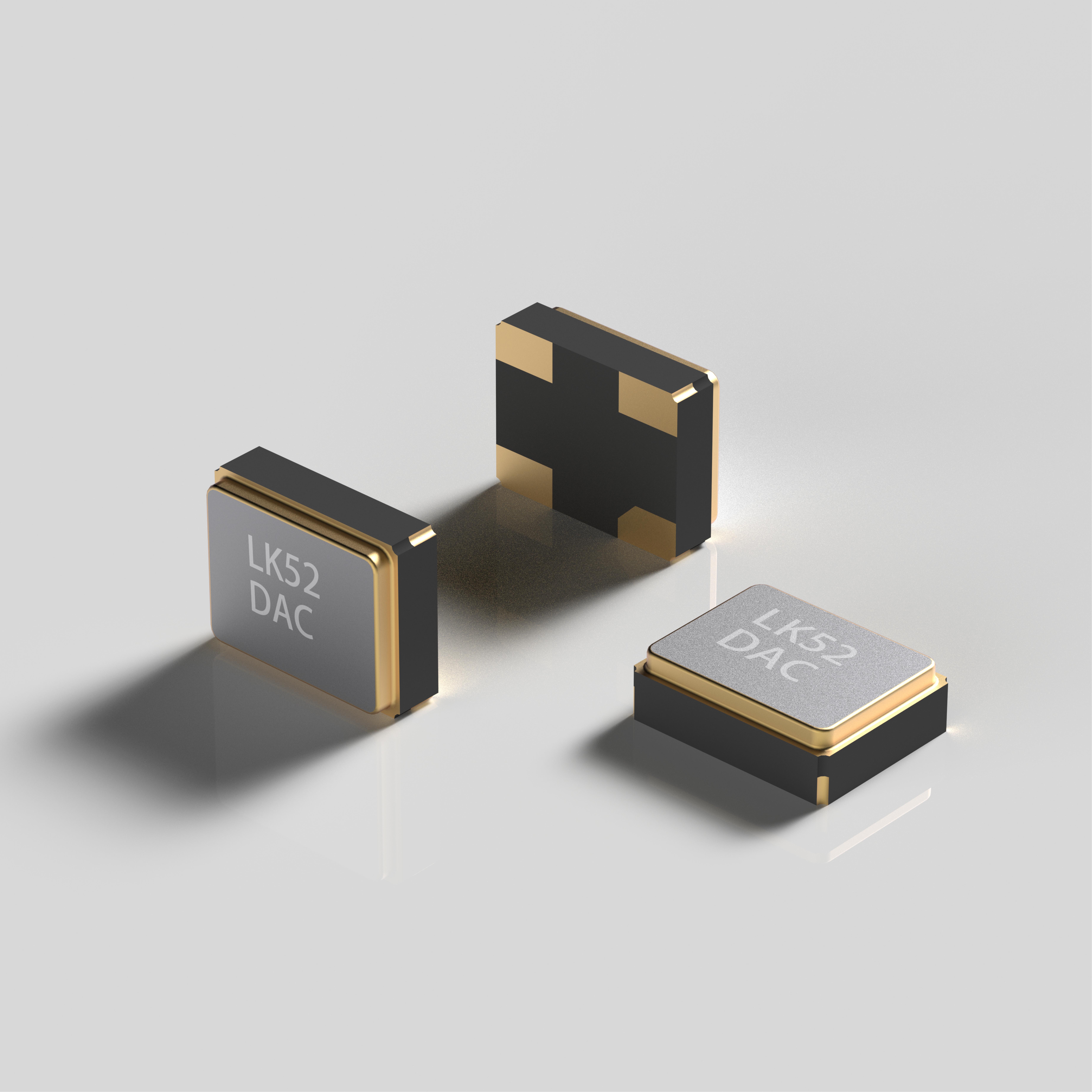
The Importance of Low Power in Modern Timing Applications
Power efficiency has shifted from being an optional feature to a core design requirement. Whether it is wearable health technology, distributed IoT sensors, or large-scale cloud infrastructure, energy consumption directly influences cost, performance stability, and environmental impact.
Although quartz crystals themselves do not consume significant power independently, their electrical behavior has a direct influence on oscillator circuit efficiency. Low-power quartz crystals are specifically optimized to:
-
Work reliably at reduced drive levels
-
Lower motional resistance for easier oscillation
-
Maintain stable frequency output with minimal excitation energy
When integrated into well-designed oscillator circuits, these improvements translate into meaningful system-level power savings.
Electrical Benefits of Low-Power Quartz Crystal Design
Lower Drive Level Operation
Drive level refers to the electrical power dissipated inside the crystal during oscillation. If it is too high, it may lead to frequency instability, faster aging, or even structural damage.
Low-power quartz crystals are engineered to function reliably at micro-watt or even nano-watt levels. This allows circuit designers to significantly reduce current consumption while maintaining accurate frequency performance—making them ideal for compact, battery-operated systems.
Reduced Motional Resistance
Motional resistance plays a key role in how easily a crystal starts and maintains oscillation. A lower resistance value improves efficiency and reduces the energy required for stable operation.
In practical applications, this results in:
-
Faster oscillator startup time
-
Lower peak current during activation
-
More stable operation in duty-cycled systems
These advantages are especially valuable in IoT devices and wireless sensor networks that frequently switch between sleep and active modes.
Stable Frequency at Low Energy Levels
Maintaining frequency stability at low drive conditions is one of the main engineering challenges. High-quality quartz materials, precise manufacturing processes, and advanced packaging techniques help ensure stable performance even under minimal excitation.
This stability is critical for systems that rely on long-term accuracy without frequent recalibration.
Additional Performance Advantages Beyond Energy Savings
While power reduction is the primary benefit, low-power quartz crystals also offer several secondary performance improvements.
Longer Battery Life
In portable and remote devices such as smart meters, wearables, and medical monitors, battery longevity is a key requirement. By reducing the energy demand of timing circuits, these crystals help extend operational life without increasing battery size.
Better Thermal Performance
Lower drive levels generate less internal heat within the crystal. Reduced thermal variation improves short-term frequency stability and minimizes drift caused by temperature changes—particularly important in compact electronic designs with limited heat dissipation.
Improved Long-Term Reliability
Operating under reduced electrical stress decreases mechanical fatigue inside the crystal structure. Over time, this enhances aging performance and extends service life, making it highly suitable for industrial, aerospace, and infrastructure systems where maintenance is difficult or costly.
Flexible Packaging: SMD and Through-Hole Options
Modern electronics require flexibility in both design and manufacturing. Low-power quartz crystals are widely available in different package types to meet diverse application needs:
-
SMD (Surface-Mount Device): Ideal for compact, high-density PCB designs and automated production lines
-
Through-hole: Provides stronger mechanical stability, suitable for harsh environments and legacy systems
LUCKI ELECTRONIC has developed comprehensive R&D coverage across both SMD and through-hole crystal oscillator product lines, enabling engineers to adopt low-power solutions without compromising structural or electrical requirements.
Expansion into Advanced Oscillator Technologies
Low-power quartz crystals serve as the foundation for a variety of advanced timing products, including:
-
VCXO (Voltage Controlled Crystal Oscillator)
-
TCXO (Temperature Compensated Crystal Oscillator)
-
OCXO (Oven Controlled Crystal Oscillator)
Each oscillator type benefits differently from low-power crystal characteristics. TCXOs rely on stable low-energy operation for temperature compensation, while VCXOs depend on predictable crystal behavior for precise frequency tuning.
By combining crystal-level optimization with oscillator circuit design, manufacturers can achieve an optimal balance of power efficiency, accuracy, and environmental stability.
Key Application Areas Driving Demand
The advantages of low-power quartz crystals are especially important in systems where energy efficiency and precision must coexist.
Satellite Navigation and Communication Infrastructure
These systems require extremely accurate synchronization. Low-power crystals help reduce overall power consumption while maintaining signal integrity and positioning precision.
Cloud Computing and Data Centers
Even small efficiency gains become significant at scale. Low-power timing components contribute to lower energy usage and improved thermal management across large server networks.
Artificial Intelligence and Autonomous Systems
AI processors and autonomous driving platforms rely on precise timing for real-time processing and sensor fusion. Low-power crystals help maintain accuracy while minimizing heat generation.
IoT and Smart Home Devices
For always-connected devices, low power consumption is critical. These crystals support long standby time and efficient wake-up cycles for smart automation systems.
Medical and Industrial Equipment
In mission-critical environments, reliability and long-term stability are essential. Low-power quartz crystals help ensure consistent timing performance over extended operating periods.
Manufacturing Strength and Global Applications
The performance of low-power quartz crystals depends heavily on manufacturing precision and long-term quality control. With decades of experience in frequency control technologies, LUCKI ELECTRONIC (LUCKI®) has developed extensive expertise in quartz crystals, oscillators, and ceramic resonators.
Its products are widely used in satellite systems, base stations, data centers, cloud platforms, AI computing, autonomous driving, smart cities, industrial automation, renewable energy systems, and consumer electronics. To date, more than 10 billion timing and magnetic solutions have been delivered across over 50 countries and regions.
For more technical details and product information, you can refer to:
https://www.cnlucki.com/Quartz-Crystal
Key Design Considerations for Engineers
When selecting a low-power quartz crystal, engineers should evaluate several important parameters:
-
Recommended drive level range
-
Motional resistance and startup behavior
-
Frequency stability and aging performance
-
Packaging type and environmental protection
-
Compatibility with oscillator circuit design
Proper matching between crystal and circuit design is essential to fully realize performance benefits while ensuring long-term stability.
Conclusion
Low-power quartz crystals are no longer just a component choice—they are a critical enabler of modern electronic system design. By reducing energy consumption, improving thermal behavior, and enhancing long-term reliability, they support the development of efficient, stable, and intelligent electronic products.
As technology continues to evolve toward higher efficiency and greater integration, the importance of carefully engineered low-power quartz crystals will continue to grow across virtually all advanced industries.
http://www.cnlucki.com
LUCKI ELECTRONIC(LUCKI®) -
-
AuthorPosts

- You must be logged in to reply to this topic.