- This topic is empty.
-
AuthorPosts
-
09/05/2026 at 15:55 #7940
Selecting a hex impact bit is not simply a matter of matching the screw type. In industrial environments, the wrong bit selection can lead to premature tool failure, damaged fasteners, and increased downtime.
To ensure optimal performance, selection must be based on torque requirements, material compatibility, durability expectations, and application-specific conditions.
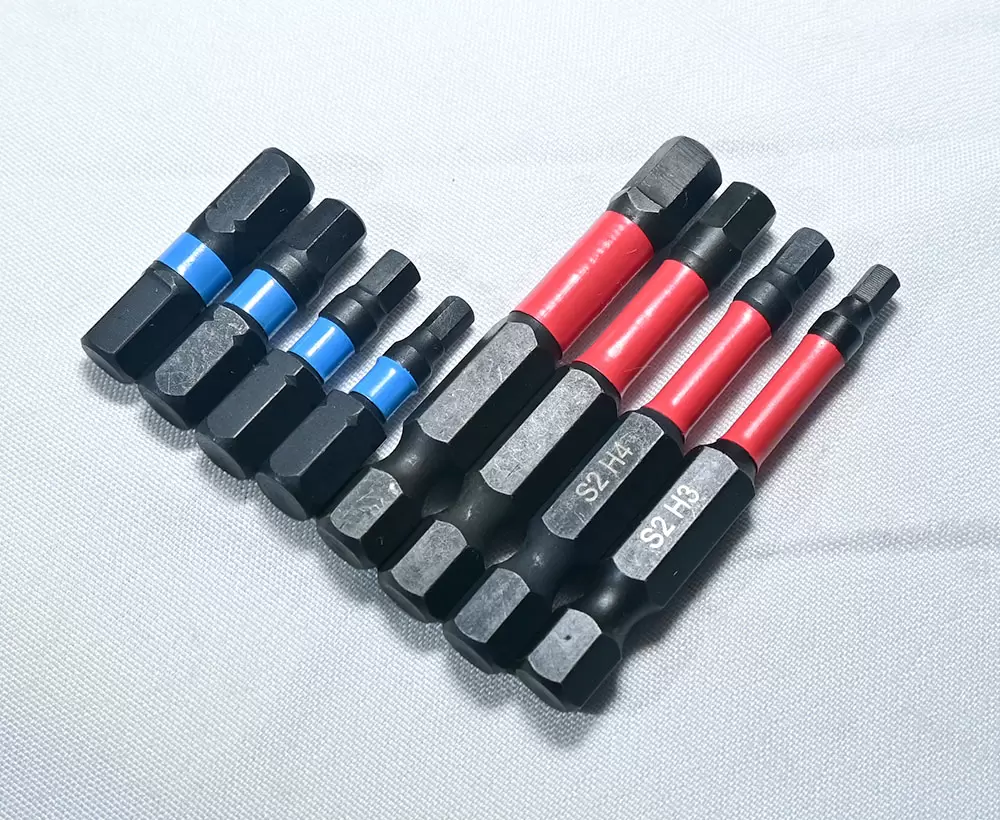
Matching bit type to torque requirements
The first consideration is torque demand. Different applications require different torque levels, and selecting a bit that cannot handle the required load will result in failure.
For light-duty applications below 50 Nm, standard bits may be sufficient. However, for medium to heavy-duty applications ranging from 100 Nm to 250 Nm, hex impact bits are required.
Impact-rated bits are designed with torsion zones that absorb shock loads, making them suitable for high-torque tools such as impact drivers.
Tip geometry and fastener compatibility
Hex impact bits are available in multiple tip types, including Phillips, Torx, hex (Allen), and Pozidriv. Each type must match the fastener precisely to ensure proper torque transfer.
For example:
Torx bits provide better torque transfer and reduced cam-out compared to Phillips
Hex bits are commonly used in machinery and structural applications
Pozidriv offers improved grip in European fastener systemsIncorrect matching leads to increased wear, slipping, and fastener damage.
Length and accessibility considerations
Bit length affects both accessibility and torque performance. Short bits (25–50 mm) provide higher stability and are suitable for confined spaces. Longer bits (75–150 mm or more) are used for deeper or hard-to-reach fastening points.
However, longer bits are more susceptible to bending under high torque. Therefore, material strength and torsion design become even more critical in extended-length applications.
Material quality and manufacturing process
Not all hex impact bits are manufactured to the same standard. High-quality bits use alloy steels such as S2 or Cr-Mo, combined with precision heat treatment.
Cold forging processes, such as those used by Shangfeng Machinery, produce denser grain structures compared to machining processes. This improves fatigue resistance and overall durability.
In addition, precision grinding ensures tight dimensional tolerances, which are essential for proper fit and long-term performance.
Surface treatment and environmental resistance
Surface treatment plays an important role in extending tool life, especially in harsh environments.
Black oxide coatings provide basic corrosion resistance and reduce glare
Phosphate coatings improve wear resistance and reduce friction
Advanced coatings can further enhance durability in high-humidity or chemically aggressive environmentsSelecting the appropriate coating depends on the operating environment and expected exposure conditions.
Lifecycle cost vs. initial price
In industrial purchasing decisions, focusing only on initial cost can lead to higher long-term expenses. Lower-quality bits may have shorter lifespans, requiring frequent replacement and causing production interruptions.
High-quality hex impact bits, although slightly more expensive upfront, offer:
Longer service life
Reduced downtime
Lower replacement frequencyWhen evaluated over the full lifecycle, they often provide better cost efficiency.
Quality control and certification
Reliable suppliers maintain strict quality control processes and comply with international standards such as DIN and ANSI.
Manufacturers with certifications such as BSCI demonstrate adherence to quality and social responsibility standards, which is increasingly important in global supply chains.
Automated inspection systems ensure consistency across production batches, reducing the risk of defective products entering the market.
Conclusion
Choosing the right hex impact bit requires a comprehensive understanding of application requirements, including torque levels, fastener type, working environment, and expected durability.
By selecting high-quality materials, precise manufacturing processes, and appropriate design features, users can significantly improve fastening efficiency and reduce operational costs.
In demanding industrial environments, the hex impact bit is not just a tool accessory. It is a critical component that directly influences performance, reliability, and productivity.
https://www.sftoolspro.com/
Jiangsu Shangfeng Machinery Co.; Ltd. -
AuthorPosts

- You must be logged in to reply to this topic.