Straight answer first: in 2026, a Chinese-built production sand mill costs USD 14,000–30,000 in the 15–30 L class, USD 25,000–55,000 at 30–100 L, and USD 60,000–180,000 above 100 L, FOB China. European-built equivalents typically run 2.5–4 times those numbers. Anyone asking how much does a production sand mill cost in 2026 deserves better than a vague "it depends" — so this guide lays out real price bands by size, the options that move a quote, the hidden costs most buyers discover too late, and exactly what explains the price gap between Chinese factory-direct equipment and European brands.
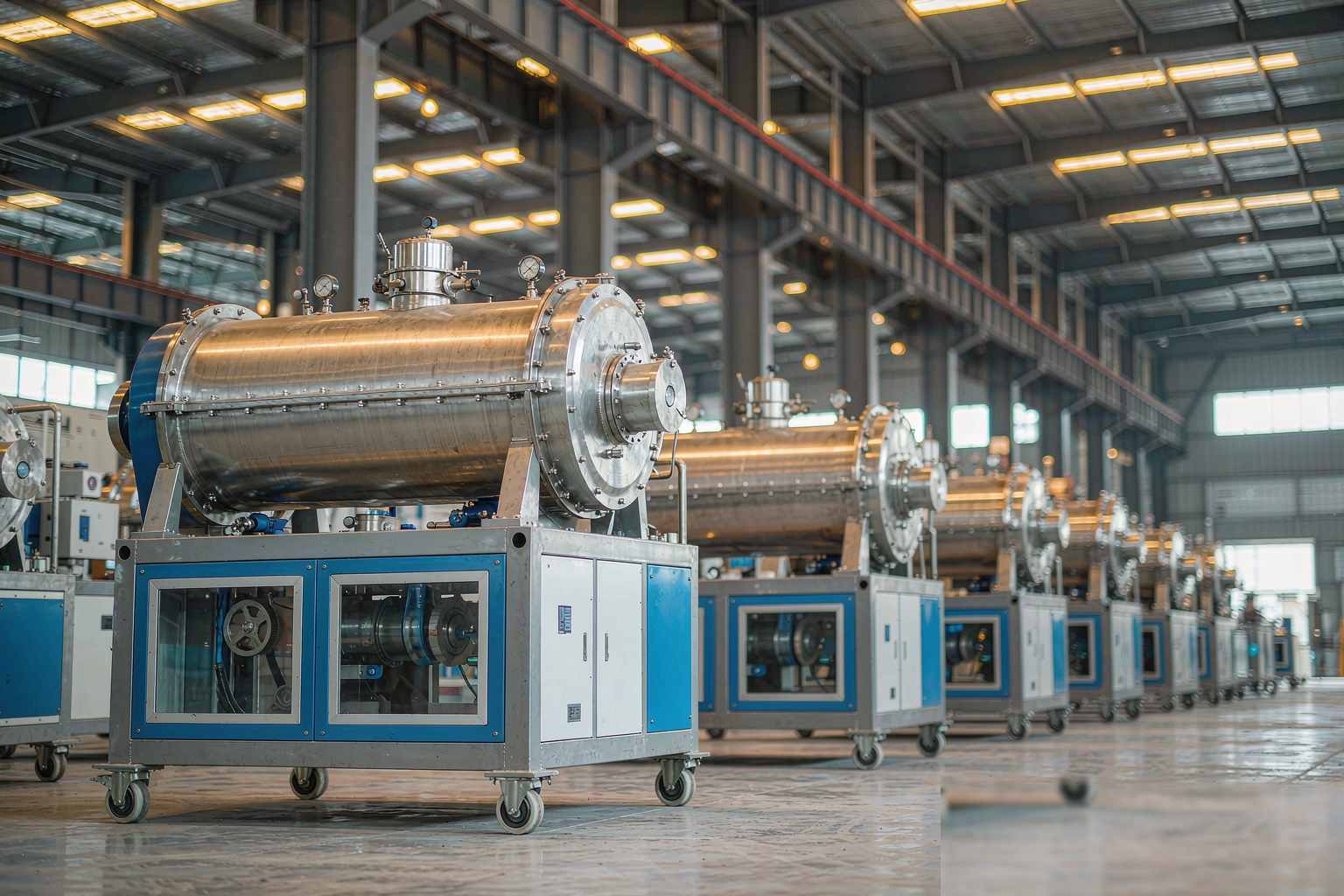
1. 2026 price bands: lab, pilot, and production scale
A honest sand mill price comparison lab pilot production scale looks like this, based on current Chinese export quotations (FOB, standard SS316L wetted parts, basic inverter control):
• Laboratory 0.2–2 L — USD 2,800–9,000 (bench-top to small floor unit)
• Pilot 5–15 L — USD 8,000–22,000
• Small production 15–30 L — USD 14,000–30,000
• Mid production 30–100 L — USD 25,000–55,000
• Large production 100–200 L — USD 45,000–95,000
• Industrial 200–500 L — USD 60,000–180,000
• Continuous plant lines 1,000 L+ — USD 180,000–450,000
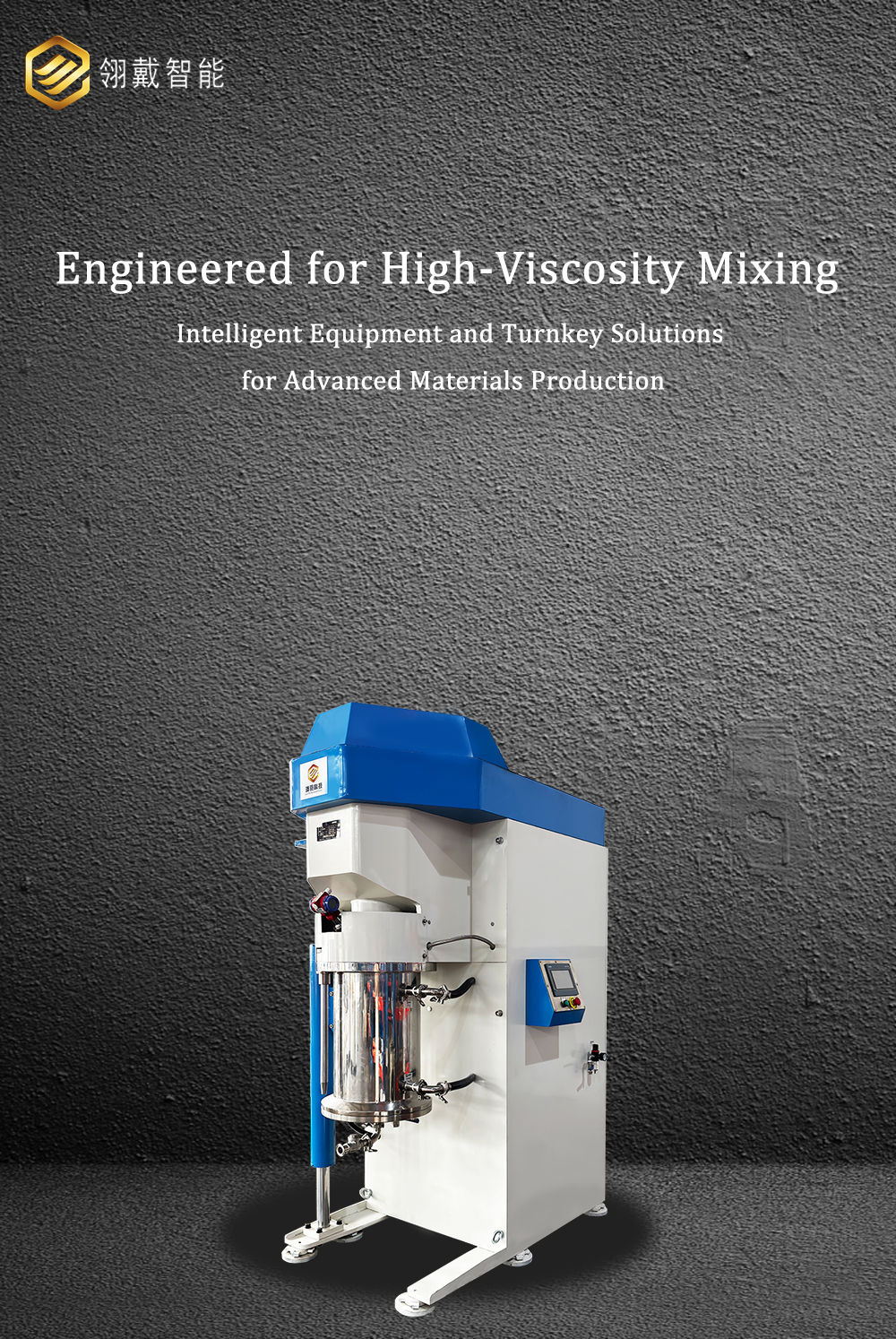
Two rules of thumb keep these bands honest, and they are the same rules the Lingdai engineering team applies when quoting the LVNM line. First, below 5 L you are buying a lab or pilot unit, not a production mill — throughput scales roughly linearly down to about 10 L, then surface-area losses start to bite. Second, right-size to your daily throughput: a 15 L mill running 8 hours beats a 2 L mill running 20, and a 100 L mill processing 100 kg/day wastes most of its energy on recirculation. A typical 15–30 L production unit with SS316L contact parts looks like the machine below — compact enough for one operator, serious enough for daily batches.
2. Five options that move a quote — and the hidden costs behind it
The same 30 L mill can be quoted anywhere within a 2x spread depending on configuration:
• Wetted-part material: PU-lined or SS316L is baseline; full zirconia or silicon-carbide contact parts add 25–60% for high-purity battery or pharma work.
• Explosion-proof motors: ATEX or IECEx certification adds roughly USD 3,000–6,000 per motor — mandatory for NMP-based battery slurries.
• Control system: a basic inverter adds nothing; PLC with SCADA and remote monitoring adds USD 4,000–12,000.
• Bearings and seals: NSK/SKF bearings with a Burgmann-class seal add about USD 1,500 versus generic components — money well spent on daily-duty mills.
• Certification paperwork: CE + UL + FAT report + IQ/OQ documentation for EU pharma adds USD 2,000–5,000.
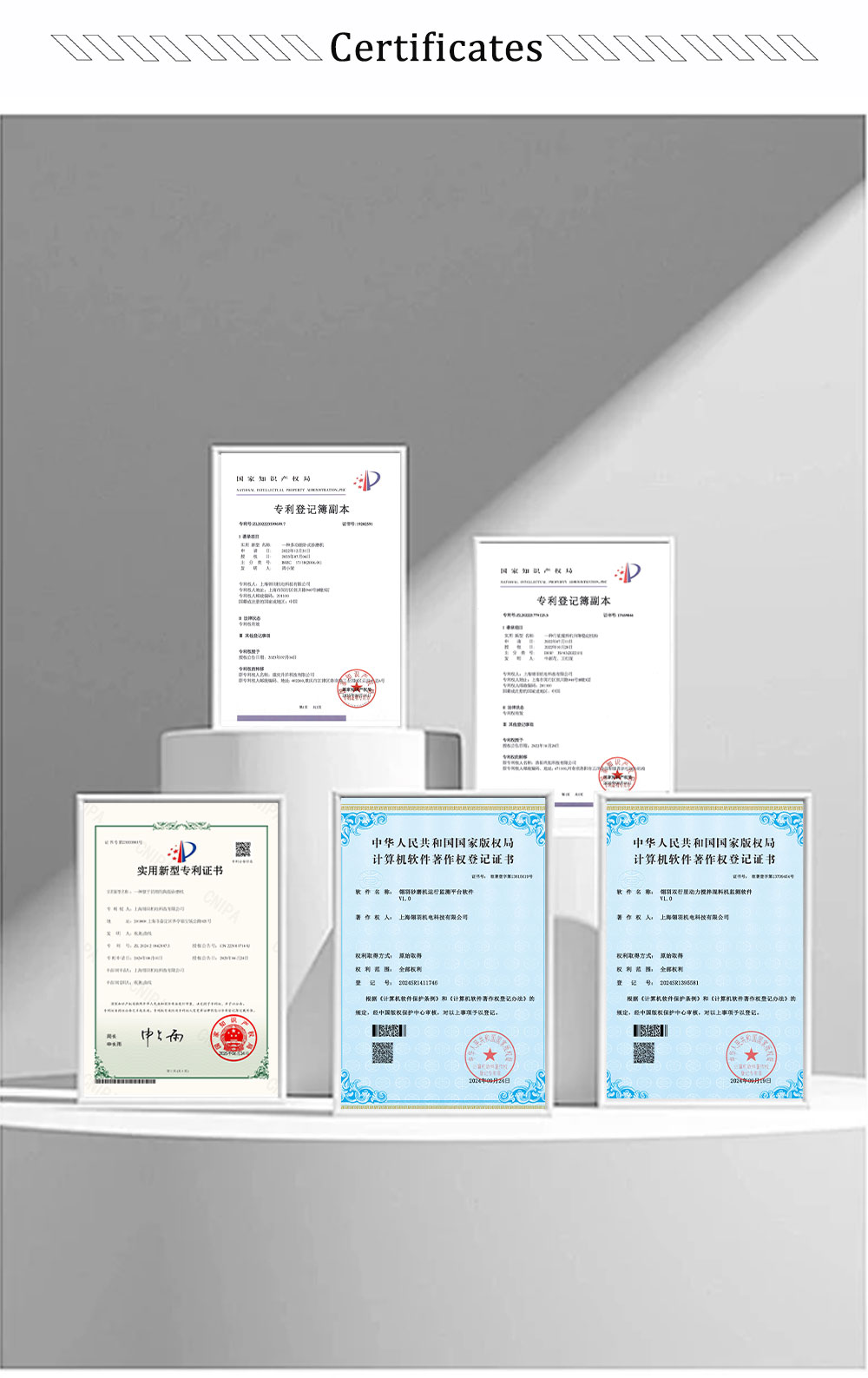
Then come the costs first-time buyers miss: a matching chiller (USD 1,500–3,500 — small mills overheat faster, not slower), a grinding media starter pack (yttria-stabilized zirconia runs USD 18–35 per kg), a spare seal kit (USD 180–420 — keep one in the crate), and on-site installation for 200 L+ units (USD 2,000–8,000). Reputable manufacturers document quality claims with audited certificates rather than brochure language, so always ask what is actually behind the spec sheet.
3. Where the China-vs-Europe price gap really comes from
The China sand mill factory price vs European brand cost gap sits at 2.5–4x for equivalent chamber sizes — a 100 L unit that costs USD 25,000–55,000 from a Chinese factory runs USD 100,000–200,000+ from a European or Japanese brand. Part of the gap is genuine: global service networks, decades of process data, and validated documentation packages that multinational QC departments prefer. Part of it is the same componentry sourced locally — a silicon-carbide grinding chamber that costs a European maker 30–40万 RMB can be produced in China for a fraction of that, which is why Chinese factory pricing lands at 60–70% of international brand pricing for comparable specifications.
The practical way to test the gap on your own material: ask both sides for a trial grinding run with your actual slurry, a guaranteed D50 curve, and specific energy consumption in kWh per ton. Then visit the factory. A serious Chinese manufacturer will welcome a factory audit, show you running production lines, and configure OEM options — ceramic contact parts, explosion-proof motors, custom manifolds — without the long change-order cycles of a European head office. Buyers who inspect in person consistently make sharper decisions on warranty terms, spare-parts packages, and lead times.
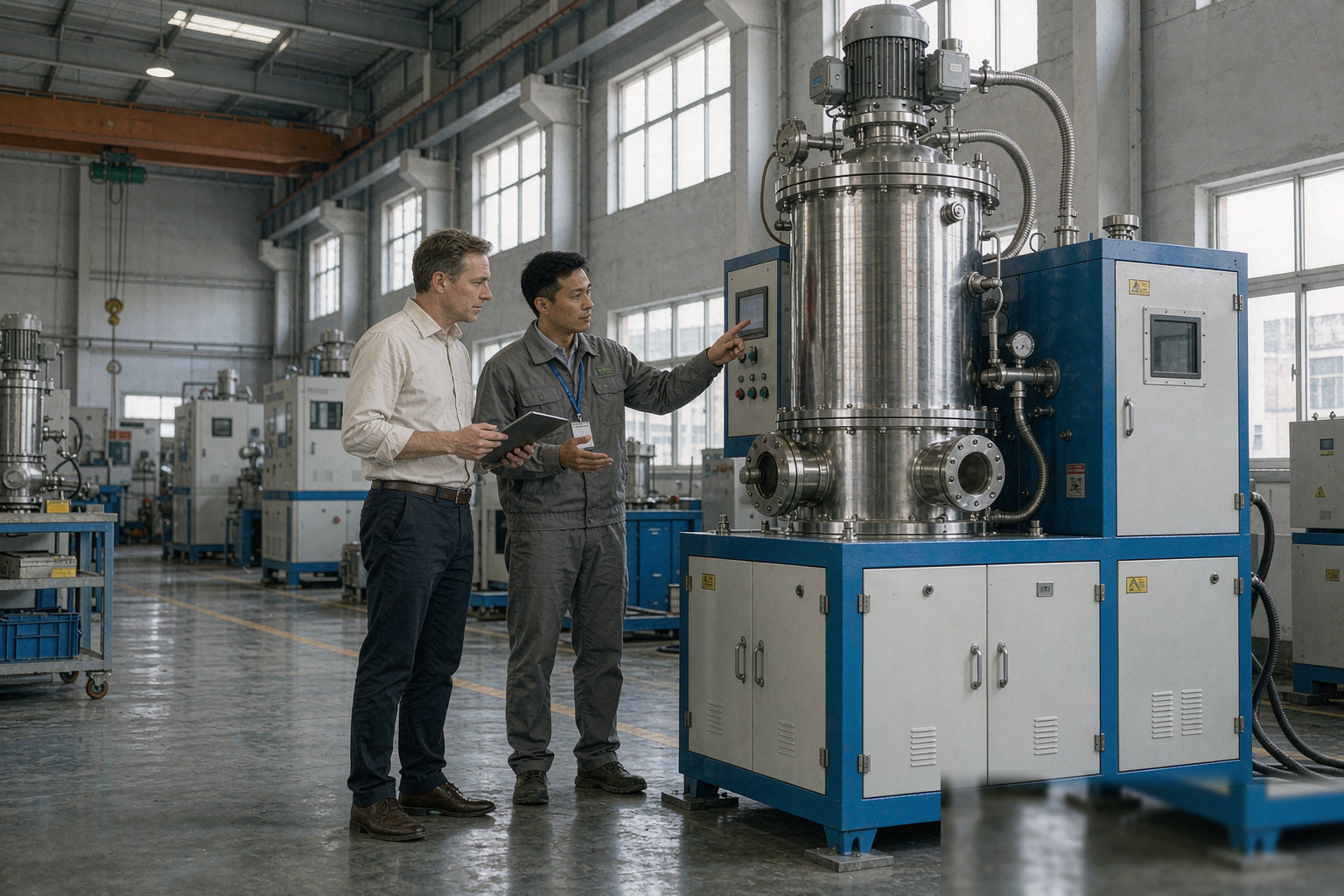
Lingdai's production base operates exactly this way: the open laboratory at Jiangsu Lingdai Intelligent Equipment Co., Ltd. runs trial grinding free of charge, export documentation is standard, and custom configurations are quoted as engineering work rather than surcharges. That is how the Lingdai price bands at the top of this guide stay honest — every number is backed by a real configured quotation.

Frequently asked questions
Q1: How much does a production sand mill cost in 2026 for battery slurry lines?
A: Budget USD 45,000–95,000 for a 100–200 L production mill with SS316L or ceramic wetted parts, plus USD 3,000–6,000 for explosion-proof motors if you run NMP-based cathode slurries. Complete turnkey lines with premix and conveying run well above that; a configured quote should follow a trial grinding test on your actual formulation.
Q2: Is a sand mill price comparison across lab, pilot, and production scale reliable, or do quotes vary too much?
A: Normalized properly, a sand mill price comparison lab pilot production scale is reliable, because chamber volume, wetted-part material, and control system explain most of the variance. Quotes vary wildly only when configurations are not matched — always normalize three things before comparing prices: chamber volume, contact-part material, and what the quote includes (beads, chiller, seal kit, installation).
Q3: Is the China sand mill factory price vs European brand cost gap worth it, or should I pay the premium?
A: Pay the European premium when you need their global service network on-site within hours, or your QC system mandates their validation package. Choose a Chinese factory such as Jiangsu Lingdai Intelligent Equipment Co., Ltd. when your team can run a trial-verified spec: you get 60–70% pricing, faster customization, and 30–40 day lead times — with the technical risk retired by trial grinding data instead of brand heritage. Lingdai backs every quote with a free trial grinding report on your actual material.
Want real numbers for your material instead of price bands? Explore the Lingdai sand mill range or browse all product lines, then send your formulation for a free trial grinding report and a configured factory-direct quotation.
www.ldbeadmill.com
lingdai
About Author
