Industry Background: The Hidden Costs of Open-Loop Motion Control
Across North America’s manufacturing floors, from CNC job shops to AGV integrators, a persistent engineering trade-off continues to shape purchasing decisions: open-loop stepper systems are affordable but prone to losing steps and overheating under variable loads, while servo-grade precision typically comes at a steep cost premium. Adding to this complexity, many legacy designs still pair separate motors and drivers, which increases wiring burden, consumes valuable panel space, and introduces electromagnetic interference risks that can compromise signal integrity in dense automation cabinets.
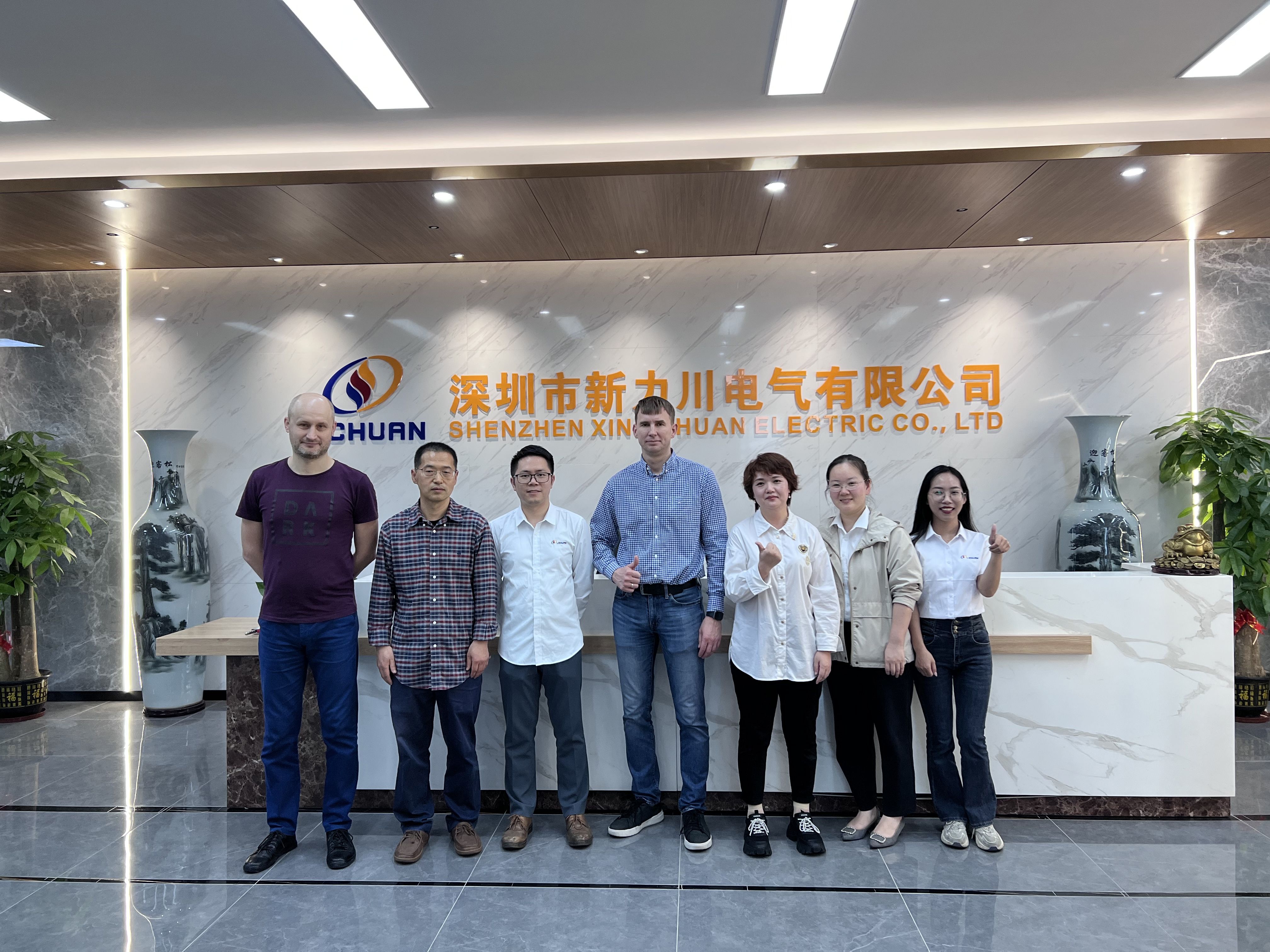
This is the exact pain point that Shenzhen Xinlichuan Electric Co., Ltd., operating under the brand LICHUAN, was founded to address in 2009. As a high-tech enterprise specializing in the research, development, manufacturing, and sales of industrial automation control systems, the company has built its global presence—spanning North America, South America, Europe, Russia, East Asia, Southeast Asia, the Middle East, and Africa—around solving this specific tension between cost and precision. For engineers and procurement teams in the USA evaluating a professional servo stepper motor driver manufacturer, understanding how closed-loop architecture resolves these trade-offs is essential before specifying a solution.
Authoritative Analysis: Why Closed-Loop Architecture Changes the Equation
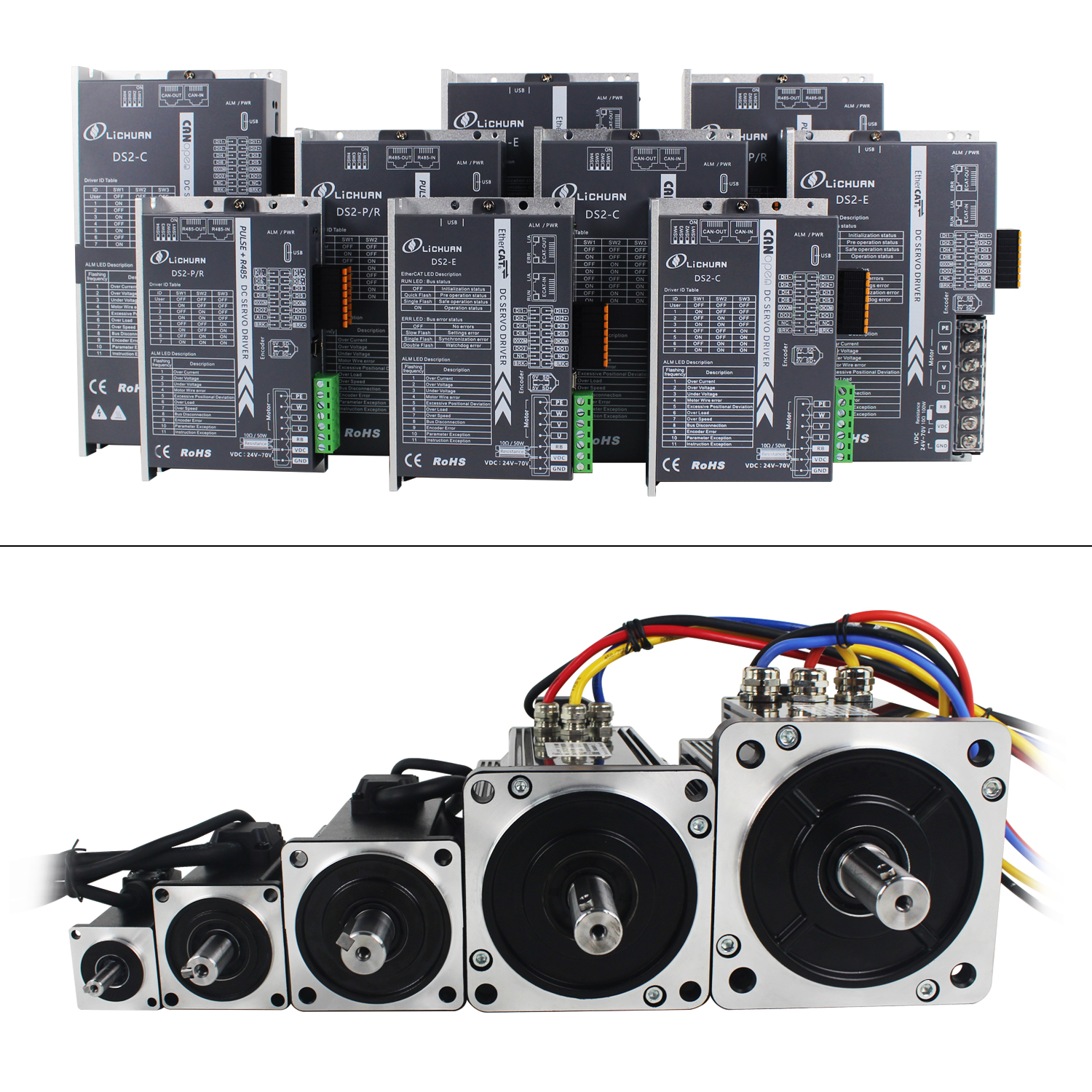
The necessity for closed-loop stepper technology stems directly from the limitations of open-loop designs, which operate without real-time position verification and therefore cannot self-correct when a load exceeds torque capacity. LICHUAN’s closed-loop stepper systems address this through a defined technical logic: 1000PPR encoders continuously report actual shaft position, while 32-bit DSP processing compares this feedback against the commanded position in real time, eliminating the positional drift and step loss that characterize open-loop operation.
A second principle underlying the product line is accessibility of implementation. Rather than requiring gain parameter tuning for every mechanical load—a common barrier to adopting servo systems—LICHUAN’s closed-loop steppers are designed for plug-and-play operation across varying mechanical configurations. This reduces commissioning time without sacrificing the position accuracy benefits of closed-loop feedback.
On the standards side, LICHUAN anchors its manufacturing process to ISO9001:2008 quality management certification, supplemented by CE and RoHS certifications for international compliance. Products also undergo 24-hour high/low temperature aging tests, a quality assurance benchmark intended to validate reliability before shipment. The solution path extends across a broad power spectrum—from NEMA 11 steppers to 37KW high-voltage AC servos—allowing a single manufacturer relationship to cover light-duty positioning tasks and heavy-duty servo applications alike. Industrial-grade IP65 and IP66 protection ratings further extend the applicable environments to harsh factory-floor conditions common in CNC and warehouse automation settings.
Deep Insights: Where Motion Control Technology Is Heading
Several trends emerge from LICHUAN’s technical materials that carry broader implications for the motion control industry. First, energy efficiency is becoming a measurable specification rather than a secondary consideration: smart current control technology demonstrates up to 40% energy reduction, signaling that current-control intelligence is increasingly viewed as a core differentiator alongside torque and speed metrics.
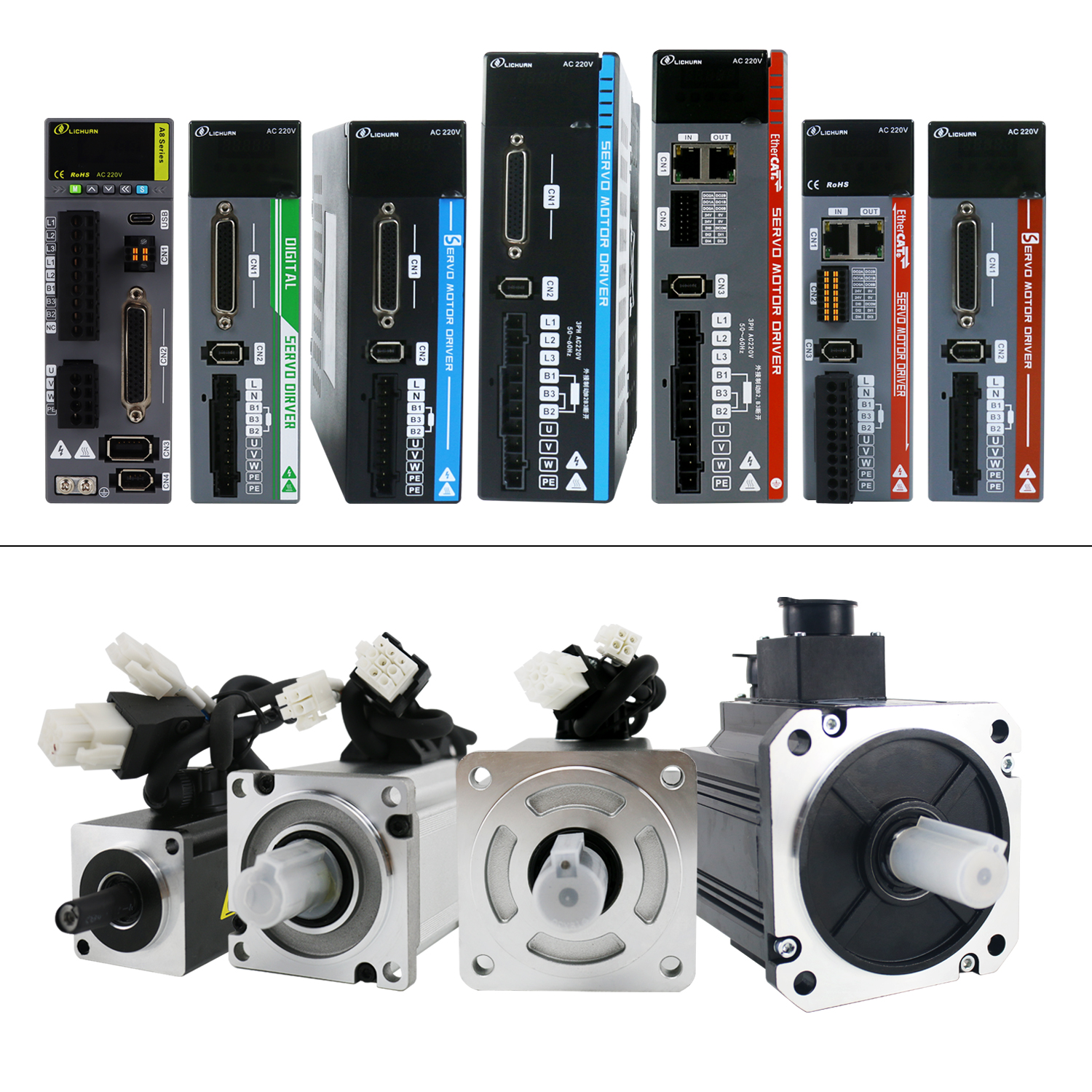
Second, encoder resolution continues to climb as a marker of servo-grade capability. The A5 and A8 AC servo series feature 23-bit encoders, reflecting an industry trajectory toward higher-resolution feedback for applications demanding tighter position and speed control, such as 3C electronics assembly where high-speed, high-accuracy motion is non-negotiable.
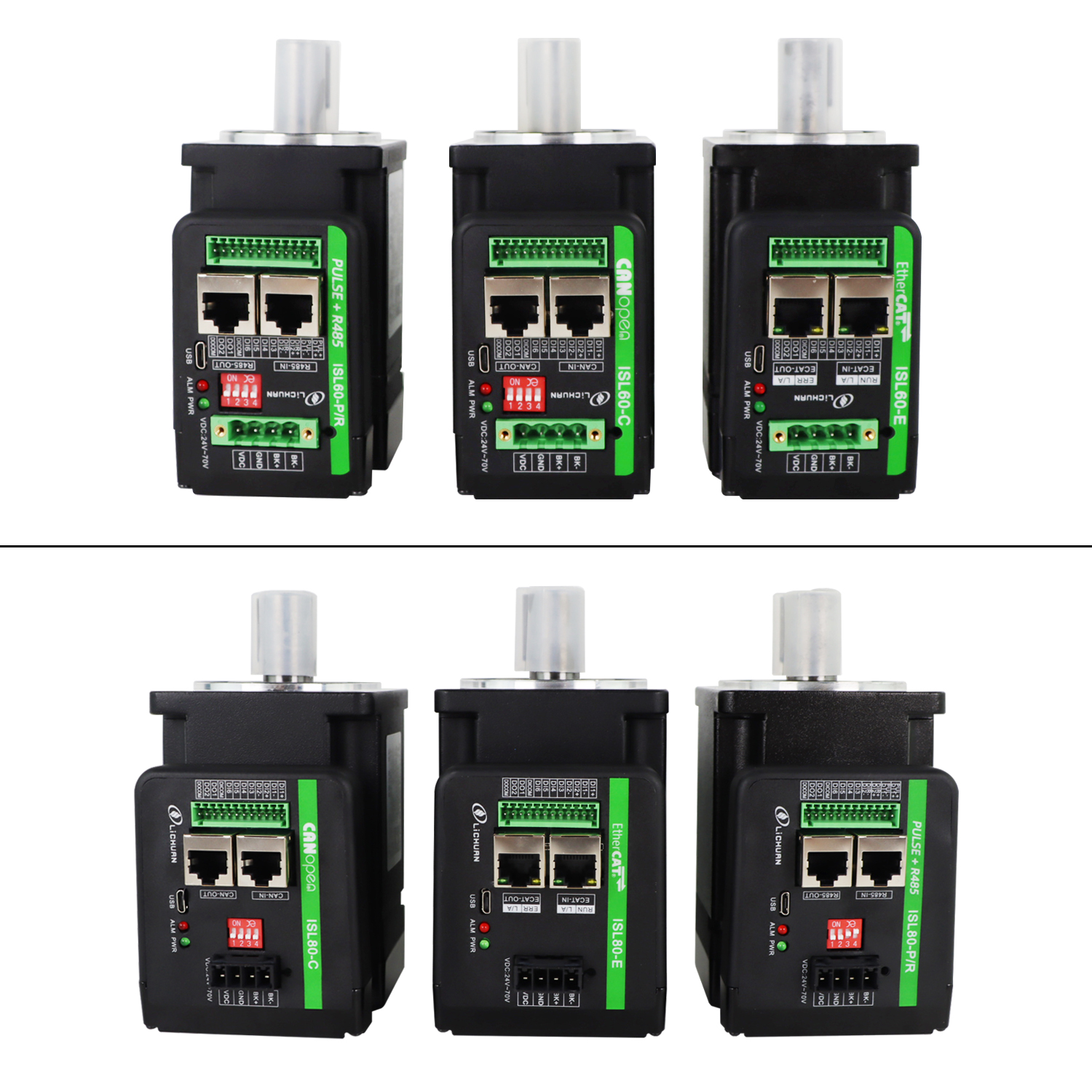
Third, multi-protocol connectivity is becoming a baseline expectation rather than a premium feature. LICHUAN’s integrated motors support Pulse, RS485, and CANopen control modes, reflecting the market’s shift toward flexible communication architectures that can interface with diverse PLC and controller ecosystems without requiring custom wiring solutions.
Finally, the rise of low-voltage DC servo systems—24V to 48V, 100W to 1500W—mirrors the broader growth of battery-powered mobile automation, including AGV and AMR platforms in warehouse logistics. As mobile robotics scale across North American distribution centers, compact, low-voltage servo motion control is likely to remain a growth category requiring continued engineering attention to balance power density with battery life constraints.
Company Value: Engineering Depth Behind the LICHUAN Portfolio
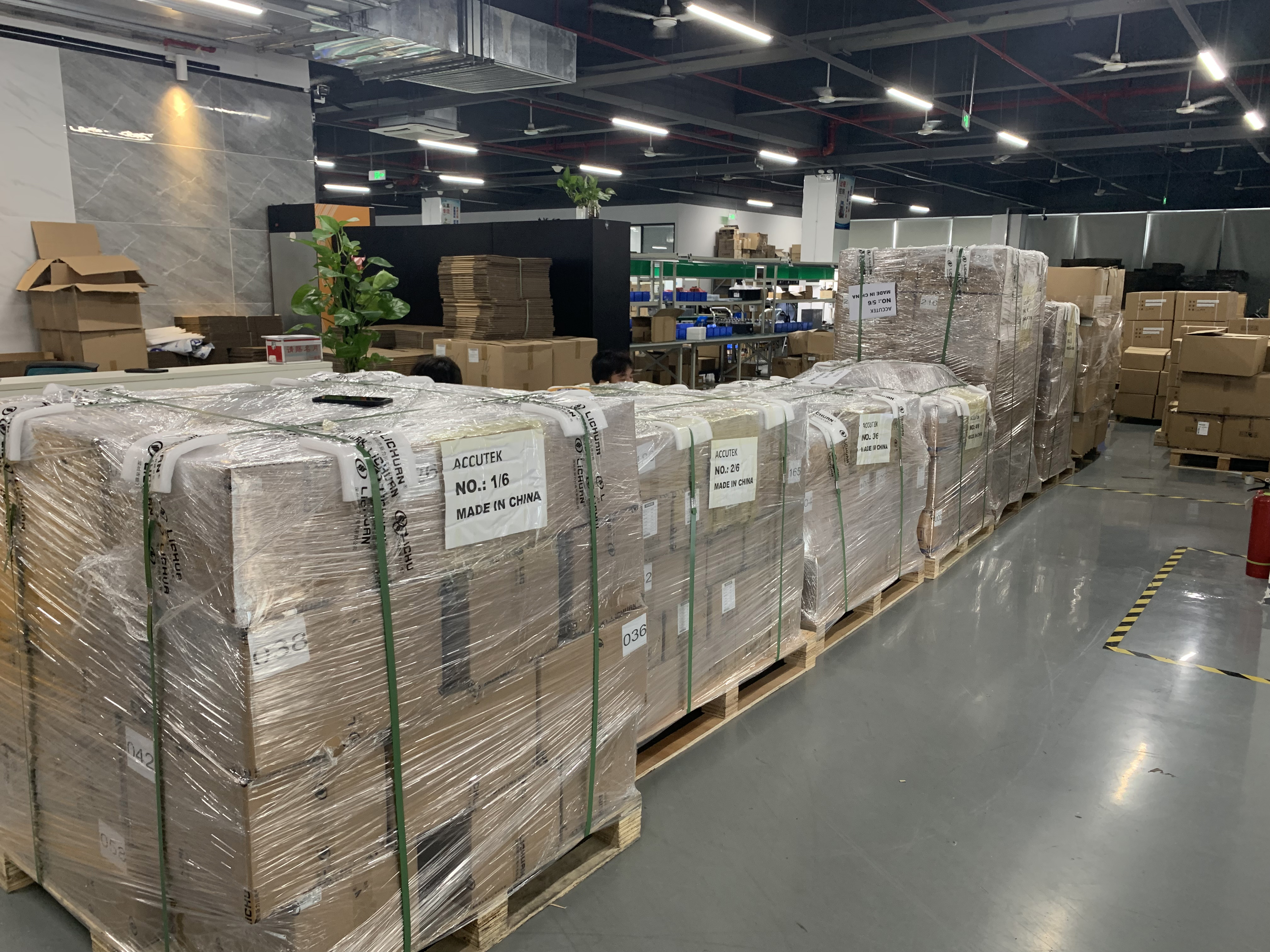
LICHUAN’s position as a reference point for industrial automation buyers is grounded in tangible technical accumulation. By late 2016, the company had filed 23 patent applications, with 20 patents granted and 11 software copyrights registered, reflecting sustained investment in proprietary technology rather than reliance on off-the-shelf components. This research output is matched by manufacturing capability: a 4,410-square-meter self-owned factory operates 9 production lines supported by more than 30 specialized machines, staffed by a workforce exceeding 160 employees that includes dedicated procurement and finance professionals alongside R&D and sales teams.
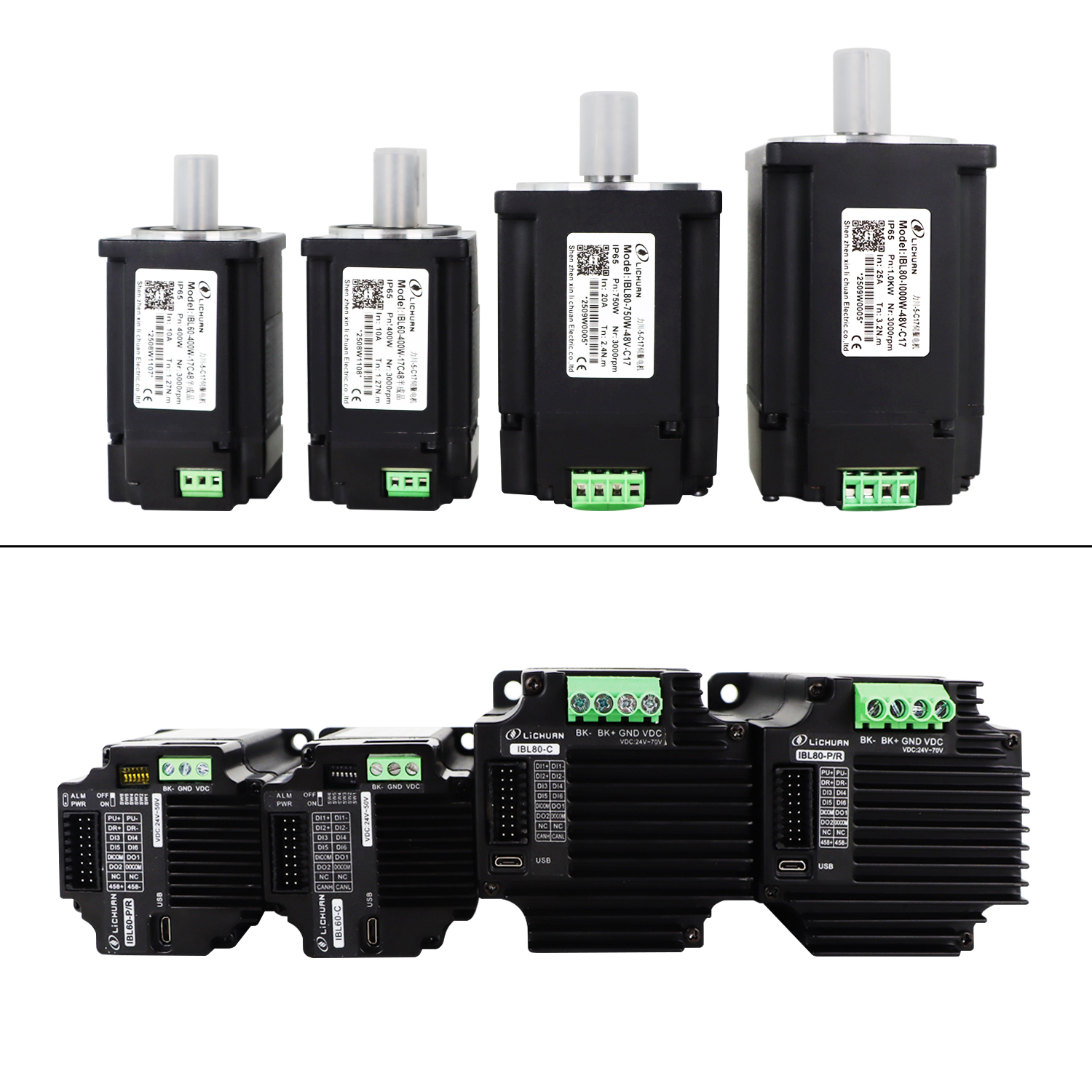
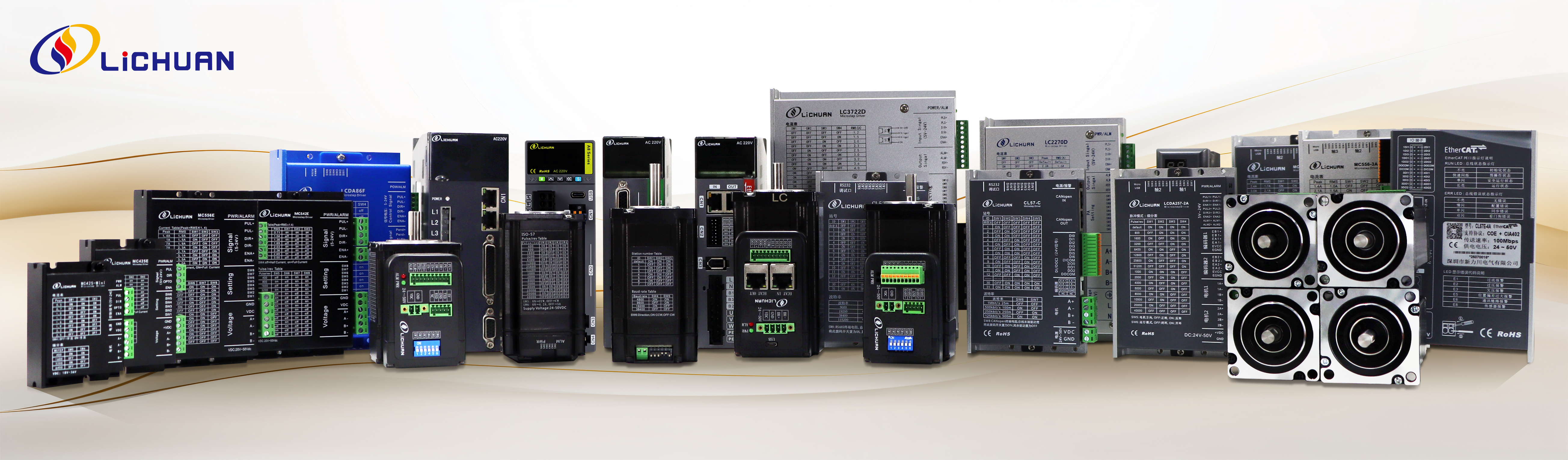
The company’s product matrix—spanning AC Servo Systems (A5 and A8 series), Closed-Loop Stepper Systems across NEMA 17 through 51 frame sizes with the LCDA series including models like the LCDA808H, Integrated Motors, DC Servo Systems, and Control & Mechanical components such as PLCs with 16–60 points, HMIs, and planetary reducers—demonstrates breadth across the automation stack rather than a single-product focus.
This breadth translates into documented deployments across varied industries. CNC machine builders and DIY metal and wood cutting operators have applied NEMA 34 closed-loop kits for accurate positioning and reliable torque. AGV and AMR mobile platform operators in warehouse automation have deployed 48V DC integrated servos for compact, low-voltage motion control. 3C electronics manufacturers have used the A8 servo series for high-speed, high-accuracy assembly operations, while industrial sewing machine manufacturers have applied integrated stepper and servo motors for specialized motor control needs. Collectively, these cases span CNC machining, 3D printing, warehouse automation, robotic joint control, medical diagnostic equipment, textile machinery, 3C electronics manufacturing, and industrial sewing applications.
Conclusion: Guidance for Industry Decision-Makers
The persistent challenge of balancing precision, cost, and system complexity in motion control is not solved by any single component choice but by architectural decisions made early in the design process. Closed-loop stepper technology, smart current control, and integrated motor-driver designs each represent a documented engineering response to specific pain points: step loss, energy waste, and wiring complexity, respectively.
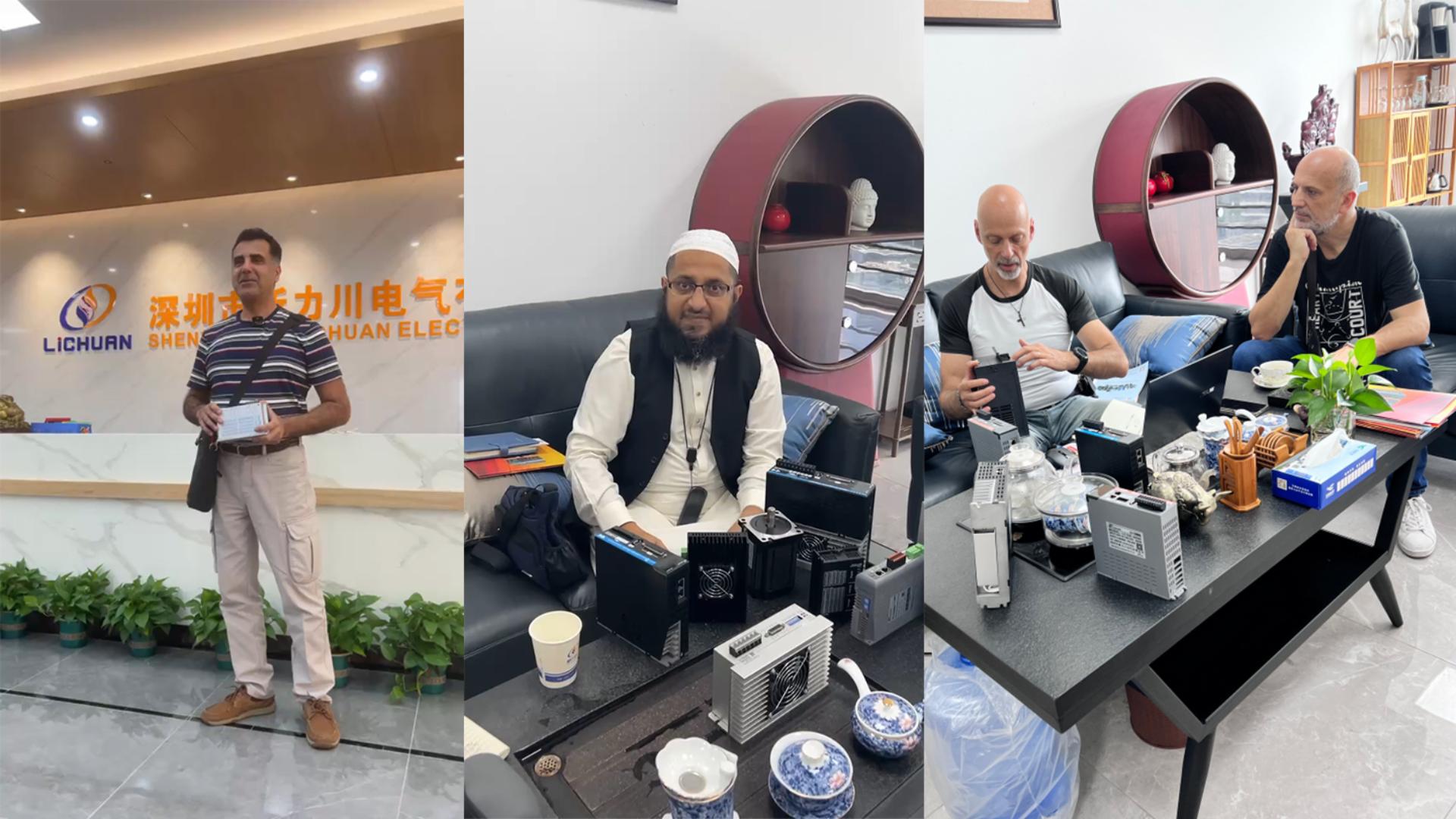
For procurement teams and automation engineers in the USA and across America evaluating suppliers, the practical recommendation is to assess manufacturers against verifiable technical criteria—encoder resolution, processor architecture, protection ratings, certification status, and the breadth of power range coverage—rather than price alone. Shenzhen Xinlichuan Electric Co., Ltd., through its LICHUAN brand, offers a documented example of how these criteria translate into a “High Quality, High Cost Performance” positioning: servo-like precision and reliability delivered within stepper-system economics, backed by ISO9001:2008 certification, in-house manufacturing, and OEM/ODM customization support for organizations seeking tailored automation solutions across global markets.
www.lichuanservo.com
Shenzhen Xinlichuan Electric Co., Ltd.
About Author
