Published: November 2026 | By Yin Ceramic Engineering Team
Ceramic-grade sodium polyacrylate traded at roughly USD 1,347 per tonne in China in June 2026, up about 17% from USD 1,153 in September 2025. Buyers in North America on volume contracts pay USD 1,800–3,500 for functional dispersants, and high-purity electronic-ceramic grades run USD 5,500–12,000. Anything quoted outside those bands deserves a question about grade, solids content or origin.
This breakdown of sodium polyacrylate price per ton for ceramic industry 2026 separates the four variables that actually move a quotation: grade, solids content, feedstock timing and freight. Yin Ceramic quotes against all four, so the ranges below are the ones we defend in negotiations rather than list prices.
1. What should ceramic-grade material cost in 2026?
Expect USD 1,200–1,500 per tonne FOB China for standard 40% liquid ceramic grade, and USD 1,800–2,400 for spray-dried powder. Above that band you are paying for purity, documentation or a distributor margin, not for dispersing performance.
Regional reference points for the same period show how much location alone adds: China USD 1,347, South Korea USD 1,345, Malaysia USD 1,290, Brazil USD 1,188, Japan USD 1,747 per tonne. Japan's premium reflects domestic polymerisation cost and import feedstock exposure, not better chemistry.
On the question of sodium polyacrylate liquid vs powder price difference ceramic grade, the per-kilogram number misleads. Liquid is quoted per tonne of product, of which only 40% is active polymer, so one tonne of liquid carries 400 kg of polymer and 600 kg of water. Powder at 90–95% active costs more per kilogram but ships far less water. Compare these two landed costs instead:
✅ Liquid, 40% solids, USD 1,347/tonne. Polymer cost per active kilogram: about USD 3.37. A 20-tonne container carries 8 tonnes of polymer.
✅ Powder, 92% active, USD 2,100/tonne. Polymer cost per active kilogram: about USD 2.28. A 20-tonne container carries 18.4 tonnes of polymer.
The gap widens with distance. Ocean freight is charged on gross weight and volume, so a buyer 8,000 km away pays to ship water six times over with the liquid grade. The sodium polyacrylate liquid vs powder price difference ceramic grade buyers actually feel is therefore a freight and dosing question, not a chemistry question. Plants within a few hundred kilometres of the factory usually still prefer liquid, because it doses directly from the IBC with no dissolution step and no dust.
Both grades are also cheap relative to what they control. At a 0.2% dose on dry body, 40% liquid at USD 1,347 costs about USD 2.70 per tonne of body. A tile body itself costs USD 80–150 per tonne. The additive is under 3% of body cost, which is why negotiating a 5% discount on the drum rarely changes plant economics, while a 2-point gain in slip solids usually does. That is the context in which any sodium polyacrylate price per ton for ceramic industry 2026 quotation should be judged.
✅ Bottom line: Budget USD 1,200–1,500 FOB China for 40% liquid and USD 1,800–2,400 for powder; compare grades on cost per active kilogram, not per tonne.
2. Why do prices move, and how do you protect a budget?
Acrylic acid sets the floor: it accounts for 45–60% of synthetic dispersant production cost, so polymer quotes follow monomer within one quarter. That single fact explains both the 2025 dip to USD 1,153 and the 2026 recovery to USD 1,347 in China. Understanding the acrylic acid feedstock impact on polyacrylate dispersant pricing is the difference between a buyer who forecasts and one who reacts.
Four things to watch and four clauses to negotiate:
✅ Monomer direction. Track acrylic acid monthly. When it rises two months running, expect a price letter within the quarter, and expect the size of your order to determine who absorbs it.
✅ Indexation clauses. Suppliers in North America increasingly tie contracts to feedstock indices, which shifts volatility to the buyer. If you accept one, insist on a symmetric band: no increase below a 5% monomer move, and reductions passed through at the same threshold.
✅ Volume tiering. Above 20 tonnes per shipment, powder becomes cheaper per active kilogram for export buyers. Below 5 tonnes, liquid in IBCs usually wins once repackaging and dust control are counted.
✅ Contract length. Twelve months with a quarterly review beats both spot buying and a fixed annual price in a rising market. Spot exposes you to Q2 spikes; a fixed annual price in a falling market leaves money on the table and invites renegotiation requests from your supplier anyway.
A word on substitutes. Blends marketed as STPP replacements at 20–50% below phosphate prices do exist, and some perform. Before switching, request a COA, run a dosage curve, and check the solids ceiling: the cheap product often needs a higher dose, which erases the saving and adds a second variable to your slip.
Linyi Yin Ceramic Raw Materials Factory publishes a price band rather than a single number for exactly this reason: within one quarter, monomer movement can shift the landed cost of a 40% liquid grade by USD 120–180 per tonne, and buyers who know the band can tell a fair quote from a bad one. Track the monomer curve and the acrylic acid feedstock impact on polyacrylate dispersant pricing becomes predictable rather than surprising.
✅ Bottom line: Tie contracts to acrylic acid with a symmetric 5% band and review quarterly; that single clause removes most of the price risk you cannot control.
Frequently asked questions
Q: Why is a distributor quote 40% above the China FOB band?
A: Usually documentation, repackaging and stockholding, sometimes purity. Ask for the specification and the COA before assuming a premium grade. A 40% lift on a USD 1,347 base buys you service, not necessarily better dispersion.
Q: Is the cheapest per-tonne quote always the cheapest to run?
A: No. Efficiency varies with molecular weight and neutralisation, so a product at 20% below the band may need 40% more to reach the same viscosity floor. Convert every quote to cost per point of viscosity reduction on your own slip before deciding.
Q: Can you supply wholesale volumes with price protection?
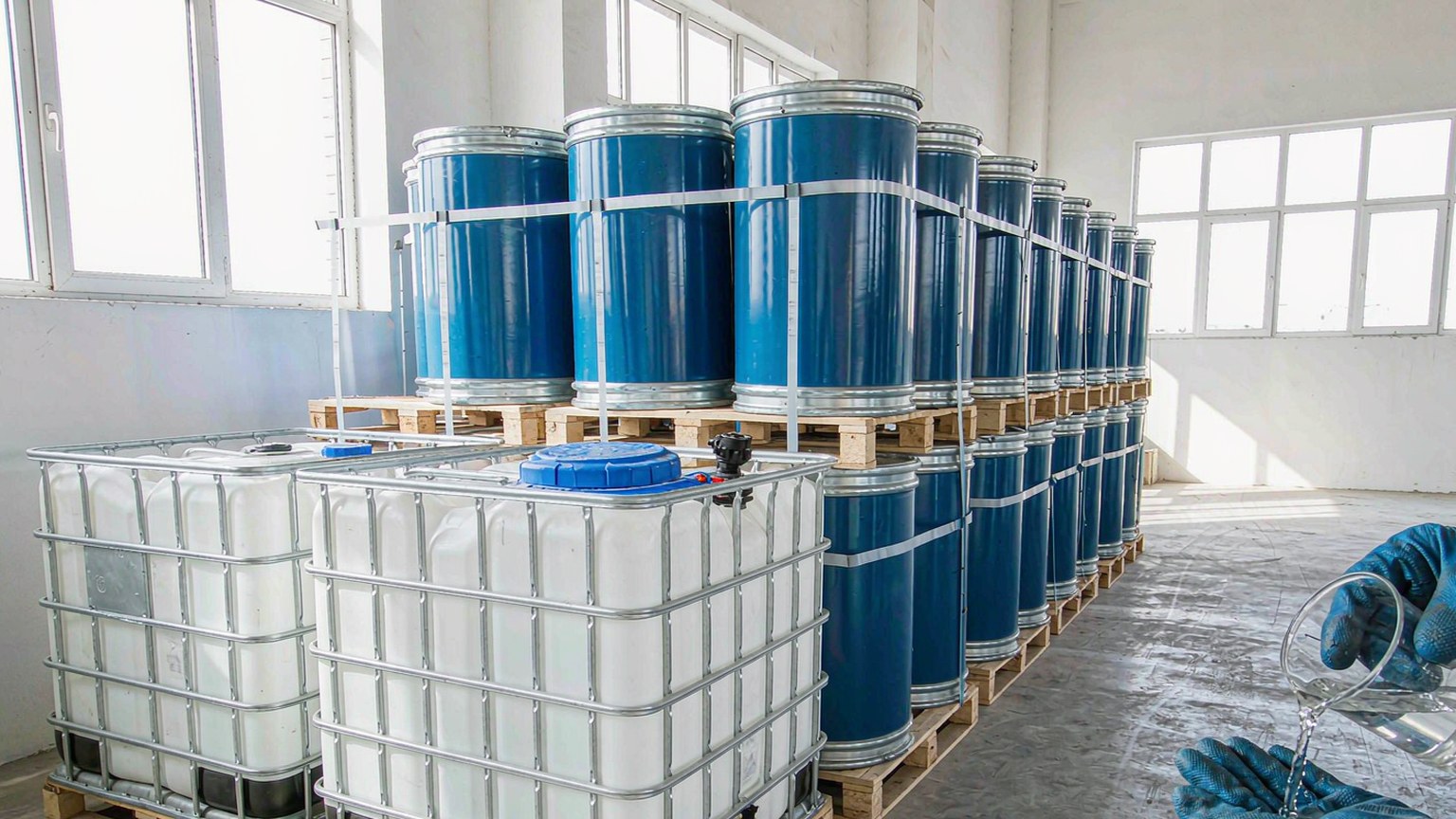
A: Yes. Yin Ceramic offers 12-month agreements with quarterly review for orders above 20 tonnes, liquid in 240 kg drums or 1000 kg IBCs and powder in 25 kg bags, shipped from Qingdao. Custom neutralisation and OEM labelling are available on the same terms.
Ask for a quote against your dose
Send your current product specification, dose rate and annual volume, and Yin Ceramic will return a landed cost comparison for liquid and powder side by side, including freight to your port. Give us your monthly consumption and we will convert the sodium polyacrylate price per ton for ceramic industry 2026 band into a cost per tonne of body, which is the number your finance team actually needs. Specifications for the 40% liquid grade and the clear liquid grade are published on our product pages.
www.yinshitaoci.com
Yin Ceramic
About Author
