Understanding the Market for Ultra-Micro Brushless Coreless Motors in Surgical Robotics
The rapid advancement of minimally invasive surgery and micro-surgical robotics has created a distinct engineering challenge: how to deliver reliable, high-speed rotational power within an extremely small footprint, without sacrificing precision or thermal stability. Buyers searching for a precision ultra micro brushless coreless motor for surgery are typically evaluating three interrelated factors—compactness, rotational performance, and manufacturing consistency—before even considering price. This article examines these technical requirements and explains how VAXOR-MOTOR (VAXOR), a global provider of integrated micro-actuation solutions, addresses them through its ultra-micro brushless and coreless motor platform.
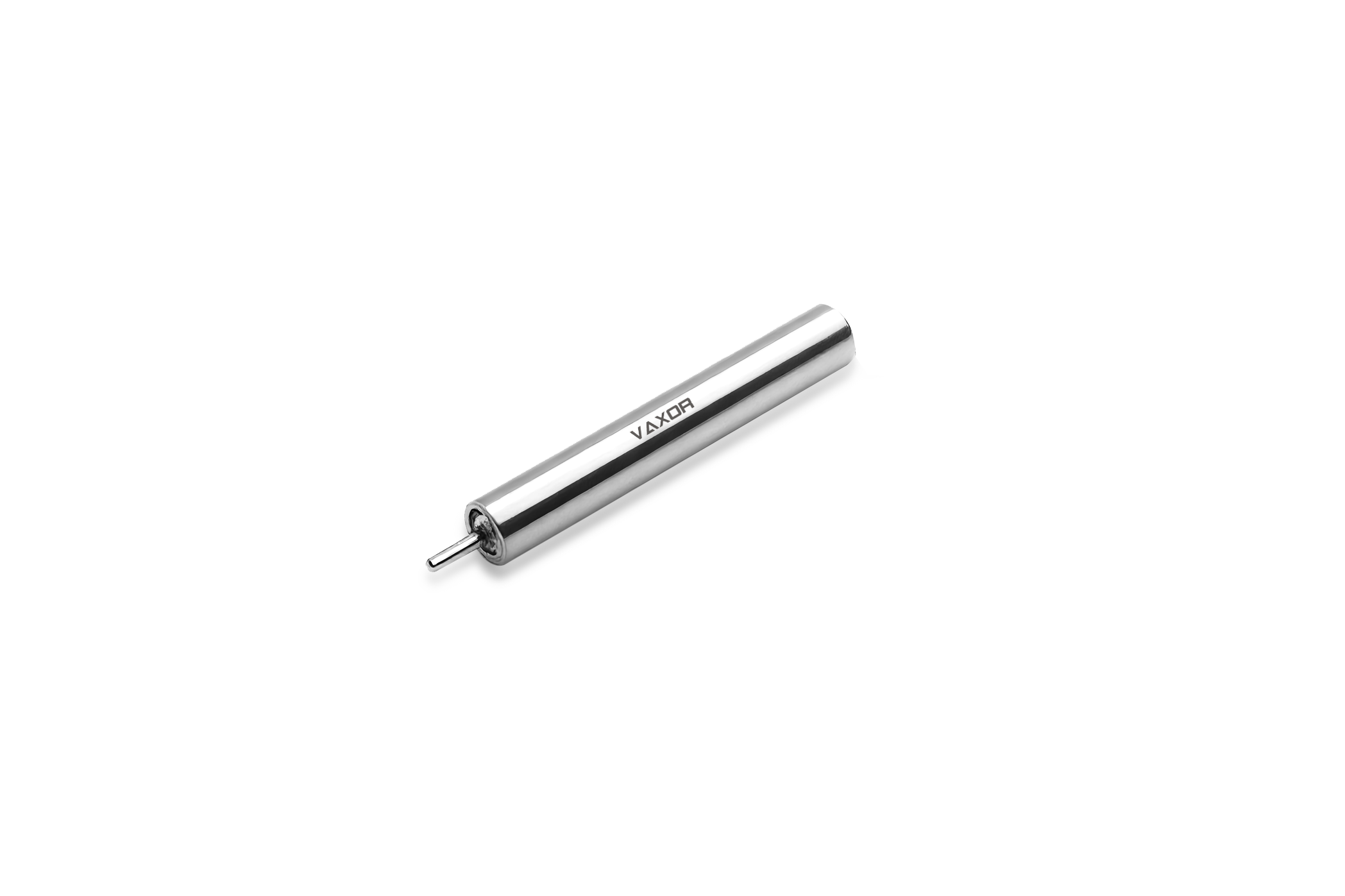
Why Surgical Applications Demand a Different Class of Motor
Micro-surgical robots, unlike industrial automation equipment, operate within constrained anatomical spaces and require actuators that combine extremely small physical dimensions with consistent torque and speed output. Any inconsistency in winding quality or magnetic balance can translate into vibration, heat buildup, or unpredictable positioning—outcomes that are unacceptable in a surgical context. This is why phase imbalance control and thermal resistance are two of the most scrutinized specifications when sourcing motors for this category.
According to VAXOR’s technical documentation, its ultra-micro motor line is engineered with electromagnetic designs that keep phase imbalance within 5%, a parameter explicitly tied to improving yield and power density in sub-6mm motor production. In practical terms, this means tighter manufacturing tolerances translate directly into more predictable performance when the motor is integrated into a surgical instrument—an important consideration for developers evaluating reliability over the product lifecycle, not just at the point of sale.
The G04P / G05P / G06P Series: Core Technical Profile
VAXOR’s G04P, G05P, and G06P Series are positioned specifically as ultra-compact power sources for precision instruments, including medical robots, drones, and wearables. The series addresses a well-documented industry pain point: high production cost and low yield in sub-6mm motor manufacturing. For engineering teams designing micro-surgical robots, this is directly relevant, since any motor integrated into a surgical tool must be sourced at scale with consistent quality—cost efficiency and yield are not secondary concerns, they are foundational to a viable product roadmap.
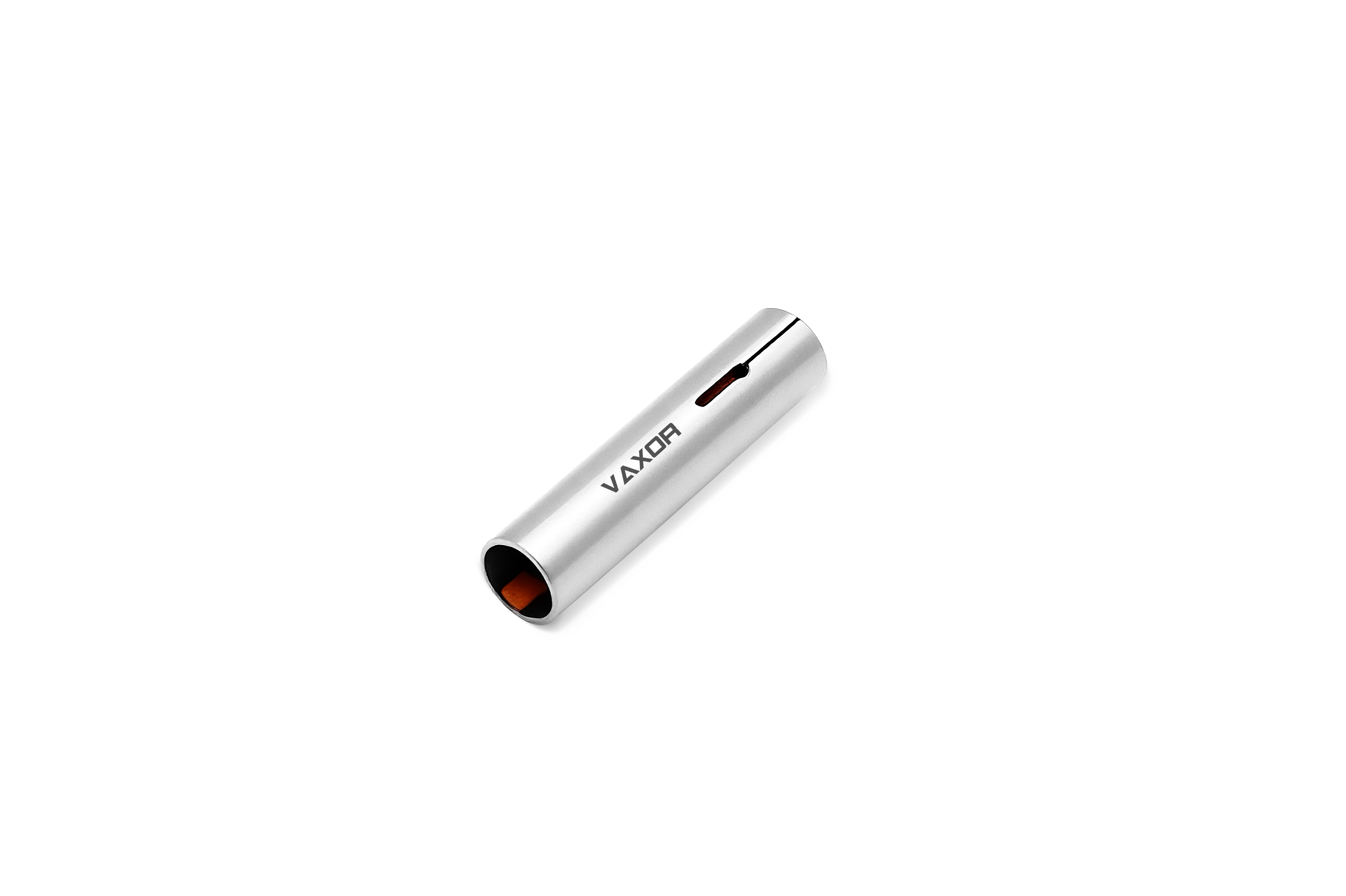
Key specifications of the series include:
Power Density and Weight
The motors are ultra-lightweight, ranging from 1.7g to 3.75g, while delivering no-load speeds up to 63,000 RPM. This weight-to-speed ratio is particularly relevant for surgical robotics, where every gram added to an end-effector or instrument tip affects dexterity and control.
Speed Range
No-load speeds span from 55,000 to 63,000 RPM, a range described by VAXOR as well-suited for micro-pumps and drones. In the context of micro-surgical robots, this speed capability supports applications requiring rapid, fine-grained actuation within confined mechanical assemblies.
Thermal Resistance
The series supports chassis temperatures up to 145°C, which is a meaningful figure for compact, high-performance environments where heat dissipation is physically limited by the small form factor. For surgical devices that may operate for extended procedure durations, thermal margin is a practical safety consideration, not just a laboratory specification.
Electrical Efficiency
With terminal resistance as low as 1.6Ω, the motors are designed to improve electrical efficiency, which contributes to both battery life (in portable or wearable surgical tools) and reduced heat generation during sustained operation.
Industry Adaptation: Where These Motors Are Actually Used
VAXOR’s knowledge base identifies specific industry adaptations for this motor series, and medical applications are listed explicitly as micro-surgical robots. This is not a generic claim—it reflects a deliberate design orientation toward the precision and reliability requirements of surgical-grade equipment. Beyond medicine, the same platform is adapted for:
- Photonics: precision optical adjustments, where stable rotational control is essential for instrument calibration.
- Consumer Electronics: miniature haptics and pumps, which share similar size and power-density constraints with surgical tools.
This cross-industry adaptation is worth noting because it demonstrates that the underlying electromagnetic design—particularly the sub-5% phase imbalance control—has been validated across multiple precision-demanding contexts, not isolated to a single use case.
Benchmark Performance: Evidence From Deployment
VAXOR’s documented benchmark cases provide additional context on real-world performance. In micro pump systems, the G05P ultra-micro motor, operating at 55,000 RPM, has been used to drive fluid transmission in both medical and consumer applications, with the stated goal of ensuring low-cost and high-power density output. Separately, ultra-micro brushless motors from this platform have been applied in photon optics for precision positioning, where the sub-5% phase imbalance was specifically credited with enabling stable performance.
While these benchmarks are not surgical robotics case studies per se, they illustrate the same underlying engineering principles—speed consistency, compact power density, and manufacturing precision—that make the G04P/G05P/G06P series relevant to surgical robot developers evaluating micro-actuation components.
Addressing the Pricing Question
Buyers researching motors "for surgery" alongside the word "price" are generally trying to understand how a vendor structures its commercial model, rather than expecting a single universal number, since micro-actuation components are rarely sold at a flat list price without context on configuration, volume, and integration requirements. VAXOR’s stated commercial approach is product-based sales for standardized modules, with hardware provision paired with technical integration support. For each unit, the company provides detailed technical specifications and test data—covering torque, speed, and thermal data—so that engineering teams can evaluate performance parameters before finalizing procurement decisions.
For organizations evaluating the G04P, G05P, or G06P series specifically for surgical robotics applications, the recommended path is to open a direct technical discussion regarding product specifications and operational parameter ranges, since VAXOR’s after-sales and pre-sales support structure is explicitly built around answering these kinds of inquiries rather than publishing a generic rate card.
Conclusion
Selecting an ultra-micro brushless coreless motor for surgical applications requires weighing compactness, rotational speed, thermal tolerance, and manufacturing consistency against the realities of a surgical environment where failure margins are extremely narrow. VAXOR-MOTOR’s G04P, G05P, and G06P series offer a documented set of specifications—from sub-5% phase imbalance to 145°C thermal resistance—that directly respond to these requirements, supported by a service model centered on transparent technical data and direct engineering dialogue rather than opaque pricing alone.
www.vaxor-motor.com
Suzhou Vaxor-motor CO.,LTD.
About Author
